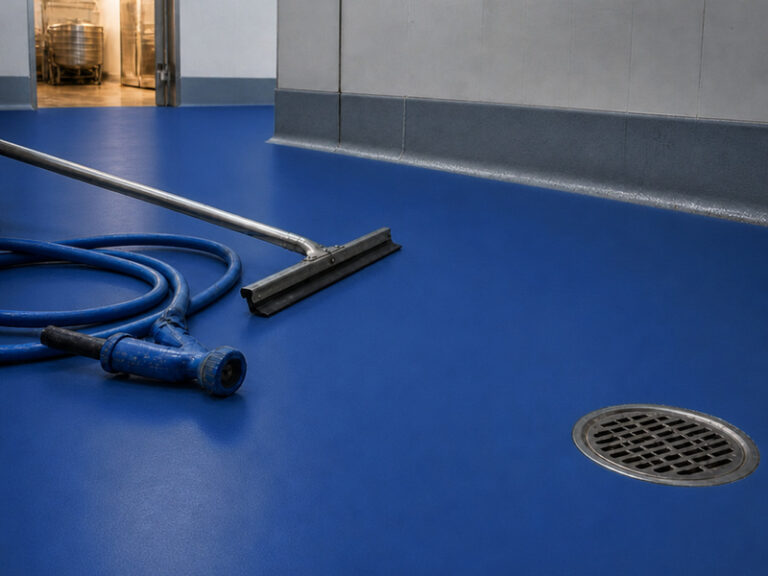
An allergen changeover is a cleaning question before it is a floor question, and the floor is usually the surface nobody validates. The line is swabbed, the filler is swabbed, and the floor between them is assumed to be clean.
That assumption is where allergen hides: in a joint, under a plinth, in the dust that settles on a cove after the wash. The floor is a large surface with more geometry than any other part of the room.
This article covers where allergen accumulates, why wet and dry cleaning need different floors, how swabbing works in practice, and what the record has to show for a changeover to be defensible.
Why the floor belongs in the changeover
A allergen changeover is designed to remove product from every surface the next product could touch, and the floor is one of them. Operators stand on it, boxes rest on it, and dust from it reaches open product.
The floor is also the surface most likely to be missed, because it is cleaned last and inspected least. A swab taken at the cove will often show more residue than one taken on the line itself.
For allergen changeover, the question is not whether the floor is clean but whether anyone can show it. That does not mean every floor needs validation. It means the floor should be assessed in the same way as other surfaces, and the assessment should say whether it is cleaned, how, and what proves it.
Where the answer is that the floor is cleaned but not verified, the changeover has a gap that an auditor will find in the record rather than on the floor. The record is usually thinner than the practice.
Where allergen hides on a floor
The first reservoir is the joint. A saw cut, a movement joint or a grout line holds powder, and no amount of mopping lifts what is inside a groove that is two millimetres wide.
The second is the detail: the base of a plinth, the collar at a drain, the top edge of a cove. Those are places where a brush passes over and a cloth does not reach.
The third is the traffic path. Allergen dust is carried on boots and wheels, so the floor outside the line is often more contaminated than the floor beside it, which is counter-intuitive and easy to miss.
A allergen changeover plan that ignores these four is a plan for the middle of the room. The fourth is the drain. A dry cleaning regime that stops at the grating leaves a wet, warm reservoir that no dry clean will touch, and the smell in the room is a clue to it.
A floor assessment should map those four and say which ones the cleaning method actually reaches. Anything not reached is a gap in the cleaning validation floor rather than a defect in the floor.
Where the map shows a joint or a detail that cannot be cleaned, the answer is a change of detail rather than a stronger chemical. A allergen changeover cannot fix geometry with chemistry.
Wet cleaning, dry methods and the floor
A wet clean removes allergen by dissolving and flushing it, and it needs a floor that drains, a fall that works and a surface that tolerates the chemical. Where those exist, wet cleaning is the more reliable method.
A vacuum-based method removes allergen by lifting it, and it needs a floor with no grooves to trap what the vacuum leaves behind. A rough broadcast that is fine under wet cleaning is a liability under dry cleaning.
Many plants use both: a dry method for a dry product changeover and wet cleaning for a periodic deep clean. The floor has to support both, which usually means a mid-range profile rather than the coarsest available.
The method should be chosen for the product, not for the floor. Where a dry product is made, introducing water creates a paste that is harder to remove than the powder was, and the floor will show it at the joints.
Where a plant switches from wet to dry cleaning, the floor often needs a change as well: a smoother profile, fewer joints and a sealed cove. That is a cleaning validation floor consequence of a cleaning decision.
Write the method into the changeover procedure with the floor named. A procedure that says clean the area without naming the floor is a procedure that leaves the floor to whoever is on shift.
CIP, COP and the floor interface
CIP COP compatibility is usually discussed in terms of tanks, pipes and fittings, and it should be. The floor enters the discussion at the interface: the drain, the plinth and the wall junction.
A CIP return that spills onto the floor is a chemical exposure, and a floor that is not rated for it will soften at the spill point. The visible effect is a dull patch that later becomes a soft patch.
COP cleaning, where parts are washed in a bath or a cabinet, often happens in a room with a floor drain. The bath overflows, the floor takes the chemical, and the drain takes the volume, which is where the fall matters.
A CIP COP compatibility schedule that is written down is also the only way to check a floor change later. The floor specification should name the CIP chemistry, concentration and temperature, in the same way as any other chemical exposure. A CIP COP compatibility statement without those numbers is not comparable between suppliers.
Where the CIP chemical changes, the floor’s resistance should be rechecked before the change, not after the first softened patch. That check is a cleaning validation floor question with a cheap answer.
Keep the CIP schedule with the floor file, so a later change can be assessed against what the floor was specified for. Without it, the assessment starts from memory.
Swabbing: what to test and how to read it
An allergen swab is the only direct evidence a changeover produces. It is a targeted test for a specific protein, and its value depends entirely on where it is taken and what it is compared with. A number without a location and a limit is not a result.
Take swabs where the assessment says allergen accumulates: the cove, the drain collar, a joint and the traffic path. Those four give a picture of the room rather than a spot check on the cleanest part of it.
An allergen swab programme is only as good as its limits, and they have to be set in advance. Set the limit before the first swab, from the method and the risk assessment, not from the first result. A limit written after the results is a limit written to pass.
Record the location, the time, the method and the reading on one sheet, and keep the sheet with the changeover record. A allergen swab that is not attached to a changeover proves nothing about that changeover.
Where a swab fails, the response should be a re-clean and a re-test at the same location, not a different location. Moving the swab is the most common way a failure disappears without being fixed.
Trend the results by location over a year, and the cleaning validation floor programme starts to show which details are consistently harder to clean.
Verification and the worst case
Verification is the step that turns cleaning into evidence: a defined method, a defined limit and a record that shows both were met. It is the same logic as any other validation, applied to a surface that is easy to ignore.
The worst case is the changeover that is hardest to clean: the product with the most allergen, the shortest window, the most complex room. Validating that case covers the easier ones.
Where a plant validates the easy changeover and runs the hard one on experience, the record shows a system that works on paper and a floor that is cleaned on trust.
A allergen changeover should be validated at least once in the worst case, with swabs at the four locations and a visual inspection under torch light. That is a morning’s work and it settles the question.
Repeat the verification when the product changes, the cleaning chemical changes or the floor is repaired. Each of those is a change to the system, and a system that changes should be re-verified.
Keep the verification report with the floor file and the changeover procedure, so the three documents describe the same system rather than three versions of it. That alignment is what an auditor tests first: not whether each document is good, but whether they agree. Where they disagree, the floor is usually the one that was described last and revisited least.
Closing that gap is usually a morning with a highlighter, not a project. Put the three documents side by side on a table, read them against each other, and mark every place where one is silent or says something different. That list is the audit preparation, and it is short.
Shared equipment and separation
Shared equipment is the reason allergen changeovers exist, and the floor is part of the sharing. A line that runs two products in one room shares the floor between them, whatever the equipment schedule says.
Segregation by time is the usual answer: the room is cleaned between products, and the floor is cleaned with it. Segregation by space is stronger and more expensive, and it usually shows up as a separate room with its own drainage.
Where separation is by space, the floor should change at the boundary, with a documentation note explaining why. A floor that is continuous across a segregation line invites product to travel along it.
Where segregation is by time, the changeover record is the control, and the floor’s condition is the evidence. A joint that cannot be cleaned turns a time segregation into a fiction.
Shared drains are a particular risk, because they connect rooms that are otherwise separate. A drain that runs from a high-allergen room to a low-allergen one is a pathway, and it should be trapped and cleaned accordingly.
Map the shared surfaces, including the floor and the drainage, and keep the map with the changeover procedure. A shared equipment map is more useful than a list of equipment.
Documentation that survives an audit
Documentation for a floor changeover is short: the method, the locations, the limits, the results and the date. Five items, one page, per changeover or per validation.
The method should name the chemical, the concentration, the contact time and the tool, in the same way the CIP record does. A method that says cleaned thoroughly is not a method.
The results should be attached to the changeover they belong to, not filed separately. A documentation trail that requires two folders to reconstruct is a trail that will not be reconstructed under audit pressure.
Where a result failed and was re-cleaned, record both. A record that shows only the passing result is a record that has been edited, and auditors are trained to look for exactly that.
Keep the floor drawings with the record, so the swab locations can be found by somebody who was not there. A location described as near the drain is not a location.
Review the file once a year against the current products and chemicals. A allergen changeover record that has not been reviewed since the last product launch describes a room that no longer exists.
Table 1: Where allergen accumulates, and what cleans it.
| Reservoir | Method that reaches it |
|---|---|
| Joints and saw cuts | Brush and vacuum, then wet |
| Plinth base | Detail brush, not a mop |
| Traffic path | Wet clean or vacuum, not a sweep |
| Drain and collar | Remove grating, clean the sump |
Table 2: Wet or dry, by product and floor.
| Situation | Metodo | Floor implication |
|---|---|---|
| Dry powder product | Dry method | Smooth, few joints |
| Wet product | Wet cleaning | Fall and drain |
| Mixed line | Both | Mid profile, sealed cove |
Table 3: What the changeover record should contain.
| Articolo | Content |
|---|---|
| Metodo | Chemical, concentration, time, tool |
| Locations | Four named points on a drawing |
| Limits | Set before testing |
| Results | Including any failures |
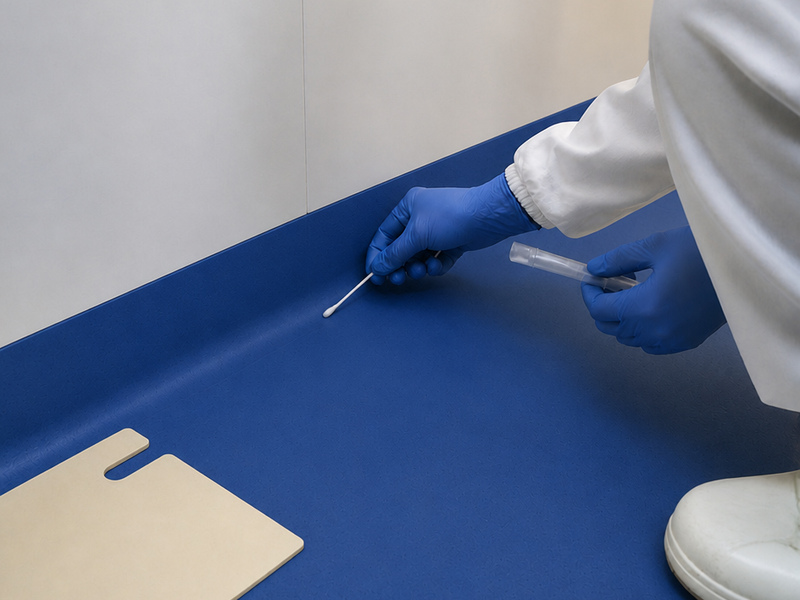
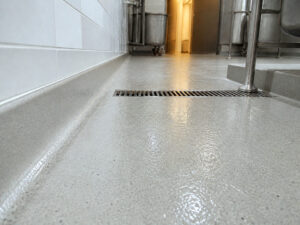
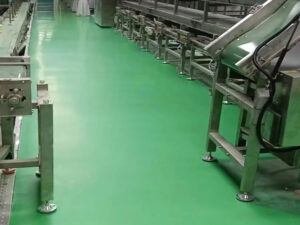
Figure 1: The cove is the location most likely to fail, and the one most often left out of the plan.
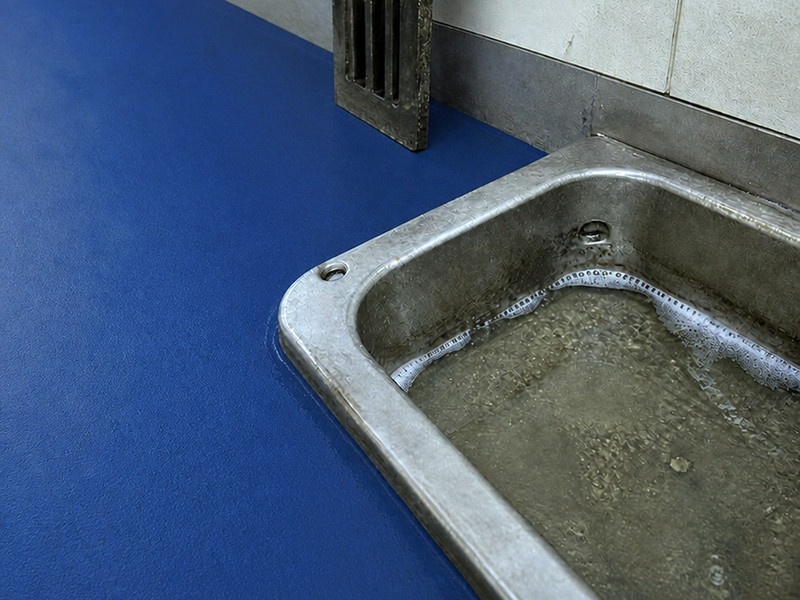
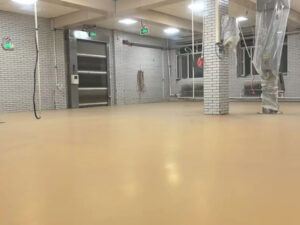
Figure 2: A drain cleaned at the grating only is a reservoir, not a clean surface.
Frequently asked questions
Does the floor need to be included in allergen validation?
It should be assessed in the same way as other surfaces. Many plants clean the floor but never verify it, which leaves a gap in the record rather than on the floor.
Where does allergen hide on a floor?
Joints and saw cuts, the base of plinths and coves, the traffic path outside the line, and the drain sump. A map of those four is more useful than a general instruction to clean.
Is wet or dry cleaning better for allergens?
It depends on the product. Dry powder is better removed dry, because water makes a paste that is harder to lift from joints. Wet products need a floor with a fall and a drain.
How many swab locations are needed?
Four well-chosen points, taken every time: the cove, the drain collar, a joint and the traffic path. Consistency matters more than the number, because trends need comparable data.
When should the limit be set?
Before the first swab, from the method and the risk assessment. A limit chosen after seeing the results is a limit chosen to pass.
What is the worst case for verification?
The hardest changeover: most allergen, shortest window, most complex room. Validating that case covers the easier ones, and it takes about a morning.
What should the record contain?
The method with chemical concentration and contact time, the four locations, the limits, the results including failures, and the date. One page per changeover.
Why food plants work with Kaida Paint
Kaida Paint supplies floors for lines that change products often, and we will say which details make an allergen changeover possible: a sealed cove, joints that can be brushed, and a drain that can be opened. We will also review a cleaning validation floor method against the floor you have, because a method that cannot reach a detail is a method that will fail a swab. Send the room and the changeover procedure, and the reply is a detail list.


 English
 Spanish
 Portuguese
 Arabic
 French
 Italian
 Russian
 Indonesian
 Swedish