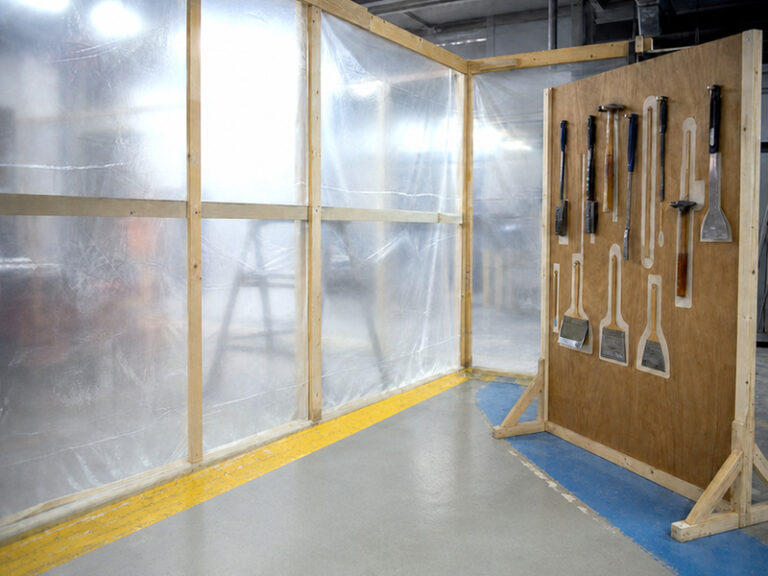
Foreign body control during floor works is not a cleaning problem at the end; it is a set of controls that exist before the first grinder starts. A blade, a screw, a chip of coating or a fragment of brittle plastic can all end up in product if nobody is counting.
Every foreign body control failure I have seen started with a job that was considered too small for a protocol. The risk is highest in works that feel small. A two-hour patch in a high-care room has the same tools, the same dust and the same potential for a dropped item as a full refurbishment, and usually less supervision.
This article sets out the protocol, the containment, the counting, the swabbing and the sign-off, in the order they happen on site rather than the order they appear in a manual.
Why floor works are a foreign body risk
A floor is a hard, brittle material that is being cut, ground and broken in a room where food is handled. Every one of those actions produces fragments, and every fragment is a potential complaint.
The construction contamination food plant risk is not only the coating. Aggregate, concrete, tile, grout lines, sealant and the contents of a tool bag all become debris when a room is opened up for repair.
A useful foreign body control checklist fits on a page and takes an hour to set up, which is why it gets skipped. The controls that work are boring: a barrier, a schedule, a list of what goes in, a count of what comes out, and a clean before handback. None of them require new technology.
What fails is supervision at the boundary. A contractor who is competent and unsupervised will still leave a blade on a windowsill, because the blade was in a pocket and the pocket was emptied.
That is why foreign body control belongs to the plant rather than to the contractor. The plant owns the product, the barrier line and the sign-off, and it should own the counting.
A hygienic works protocol is best written with the contractor in the room, because the contractor knows what will actually be done. A short protocol agreed before the work starts is worth more than a long procedure written afterwards. It should fit on one page and be signed by both sides. Three controls carry most of the weight: a hygienic works protocol that names the boundary in writing, dust containment applied at the tool rather than in the room, and tool control kept on a clipboard at the door. Get those three right and the rest is bookkeeping.
The works protocol
A hygienic works protocol has four parts: what is being done, where the boundary is, who supervises and what has to be true before handback. Anything else is detail that can be added later.
The boundary should be a physical barrier, taped and labelled, with a single entry point. Two entry points double the supervision requirement and halve the chance of it happening.
The protocol should name the plant supervisor and the contractor supervisor, with a phone number for each. A protocol without names is a document that nobody owns when the shift changes.
It should also state what happens if a tool is lost. The answer is not a search at the end of the shift; it is a stop, a controlled search and a record, and it should be agreed before anybody needs it.
Where the room is high-care, add the plant’s own gowning and entry rules to the protocol rather than assuming the contractor knows them. Induction takes twenty minutes and prevents most of the arguments.
Keep the signed protocol with the audit evidence at the end. A protocol that was never signed is a document that will be reconstructed from memory after an incident.
Dust, the contaminant you cannot count
Dust containment is the hardest control because the material is invisible until it settles. Grinding produces a fine dust that travels on air, and a barrier that stops a person does not stop the dust.
Specifying dust containment as an outcome rather than a method is where most contracts fail. The practical answer is extraction at the tool, not ventilation of the room. A grinder with a shroud and a vacuum rated for the material captures most of what it makes, and a fan in the corner moves the rest around.
Negative pressure helps in a sealed room and is difficult in a production hall with doors opening every few minutes. Where negative pressure is not possible, the barrier has to extend further and the cleaning has to be more thorough.
Dust also settles above the work. Ceiling lights, pipework and the tops of panels collect it, and it falls later, which is why the cleaning after a construction contamination food plant should include surfaces above the floor.
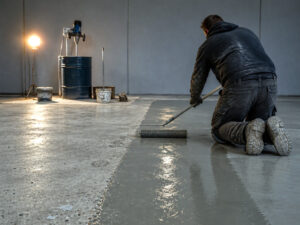
Wet cutting and wet grinding reduce dust sharply and are underused in food plants. They create slurry, which is easier to contain and easier to see than airborne dust.
Check the barrier at the end of each shift rather than at the end of the job. A taped edge lifts overnight, and the failure is invisible until somebody walks through it.
Tools, blades and counting in and out
Tool control is the control that most plants describe and few operate. It means a list of every tool and blade that enters the area, a count at every shift change, and a count before handback.
Effective tool control is a piece of paper, not a policy. The list should be physical, on a clipboard at the entry point, not an app that somebody updates later. A list that cannot be seen at the barrier is a list that will not be used.
Blades are the highest-risk item because they are small, sharp and easy to lose. A blade register with a number and a signature is standard practice on large sites and rare on small ones.
Consumables count too: screws, washers, tape, cable ties, offcuts and the lids of tins. A tin lid in a drain is a foreign body, and it is the kind of item that a count catches and a search does not.
Before handback, do a magnetic sweep of the area and a visual sweep of the drains. The magnet finds the screws; the eye finds the plastic, and neither finds both.
Record the final count on the handover sheet with the signature of both supervisors. That single line is the evidence that the control was operated rather than described.
Brittle plastic and glass
Brittle plastic is a separate risk because it shatters into fragments that are hard to see and hard to remove. A plant with a register of brittle items should apply it to the contractor’s equipment as well as its own.
For foreign body control, the contractor’s kit is part of the register, not a separate conversation. That means no unregistered brittle items in the works area, and a register entry for anything that must be there. A clipboard, a clock, a torch lens and a spirit level vial all qualify.
Where an item breaks, the response is a controlled clean, a documented search and a decision about the product in the area. Improvising that response at 03:00 is how a small break becomes a recall.
Glass-filled coatings and some aggregate blends are also brittle, and a chipped edge is a fragment. Cut edges should be inspected and dressed rather than left sharp.
The register should be checked at the barrier, not in the office. An item that enters without a label is an item that leaves without a record.
Keep a small kit on site: a torch, a mirror, tweezers and a sealable bag for anything found. The kit is cheap and it makes the response possible without a trip to the stores.
Swabbing and visual checks before handback
A swab test is not a particle count and it does not detect a blade. It detects organic residue, which tells you whether the cleaning reached the surface, and that is a useful proxy for whether the area is ready.
The same four locations work for every job, which makes the results comparable over time. Take swabs at the cove, the drain collar, a traffic lane and the boundary of the works. Those four locations cover the places where residue and debris collect.
Record the readings with the locations and the time, and compare them with the plant’s own baseline rather than with an absolute figure. A swab test result means nothing without a reference.
Visual inspection covers what the swab cannot: fragments, dust on ledges, sealant smears and tools. Do it with a torch, at floor level, after the cleaning rather than before.
Where the works are in a high-care room, ask quality to attend the handback rather than sending a photograph afterwards. Attendance takes ten minutes and settles the question.
Both checks should be recorded on the same sheet as the tool count, so the audit evidence is one page rather than three.
Sign-off and handback
Sign off is the moment the area returns to production, and it should be a decision rather than an announcement. Somebody from the plant should walk the area, read the sheet and sign.
A foreign body control handback is a handover of custody, and it should read like one. The sign-off should confirm four things: the works are complete, the area is clean, the tools are accounted for and the cure restriction is stated. Anything less is a handshake.
Where a wash restriction applies, it belongs on the door as well as on the sheet. A sign off that is not visible to the night shift is a sign-off that will be undone by a hose.
The contractor’s signature matters as much as the plant’s, because it converts the count into a joint statement. Two signatures on one page is the cheapest risk transfer available.
The sign off is a decision record, and a condition is better than silence. If something is unresolved, sign with a condition rather than not signing at all. A conditional sign-off with a date is a controlled position; an unsigned sheet is an argument later.
Keep the signed sheet with the audit evidence, and give a copy to the contractor. The copy is what makes the next job easier, because the next supervisor will read it.
The evidence file an auditor asks for
Audit evidence for floor works is a thin file: the protocol, the tool count, the swab results, the sign-off and a photograph of the barrier. Five items, one folder, per job.
The photograph matters because it shows the barrier was real. A protocol with no photograph is a document that could have been written afterwards, and auditors know that.
The file should also record any incident, however small, with the action taken. A plant that reports a dropped blade and shows the search is more credible than one that reports nothing.
That is the foreign body control lesson in one line: the same gap, in the same place, by the same crew. Review the file once a year and check whether the same contractor keeps appearing with the same gaps. That pattern is the construction contamination food plant risk in its most predictable form.
Where a foreign body control programme exists, this file is one of its inputs. It shows whether the controls were operated, which is the question an audit is really asking.
None of this is heavy. It is a clipboard, a torch, a swab and a signature, and it takes about an hour across a two-day job.
Table 1: Controls, and what each one actually catches.
| Control | Catches | Misses |
|---|---|---|
| Barrier | Access, dust spread | Airborne fines |
| Tool count | Blades, screws | Consumable offcuts |
| Magnetic sweep | Ferrous items | Plastic, coating chips |
| Swab | Residue | Physical fragments |
Table 2: What goes on the handover sheet.
| Objet | Signed by |
|---|---|
| Works complete | Contractor |
| Tool count | Both |
| Swab results | Plant QA |
| Wash restriction | Both |
Table 3: Brittle items to register before entry.
| Objet | Risk |
|---|---|
| Torch lens | Fragments if dropped |
| Spirit level vial | Glass and fluid |
| Clipboard | Cracked edges |
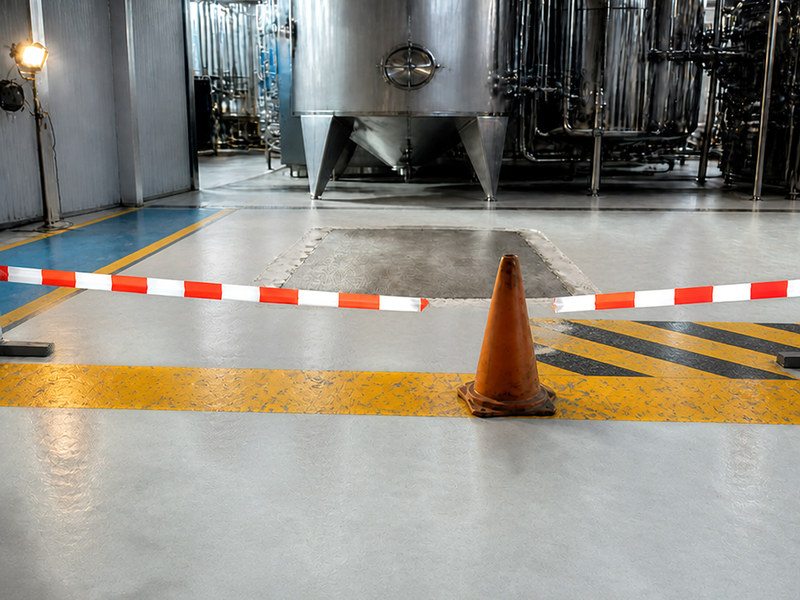
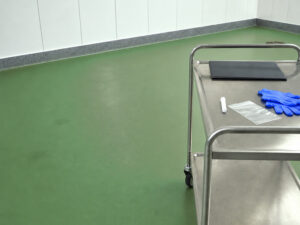
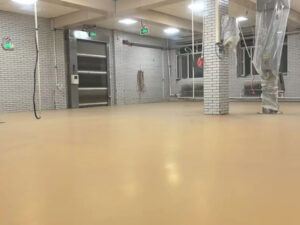
Figure 1: One entry point with the tool list beside it, barrier taped to the frame.
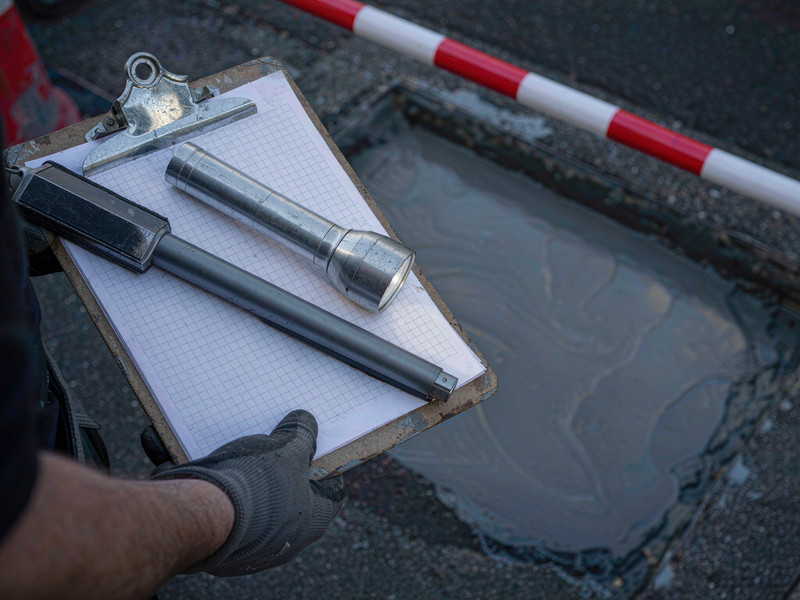
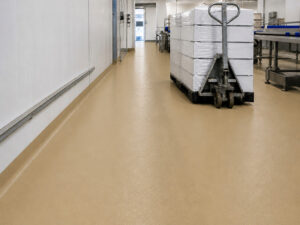
Figure 2: The count happens at the barrier, not in the site office.
Frequently asked questions
Do floor works need a formal foreign body protocol?
Yes, even for a small patch. The tools, the dust and the fragments are the same as a large job, and a small job usually has less supervision. A one-page protocol signed by both parties is enough.
What is the biggest contamination risk during floor works?
Dust from grinding, because it travels and settles where nobody looks. Extraction at the tool controls most of it, and wet cutting controls more, but the cleaning still has to include surfaces above the floor.
How do I control tools and blades?
A physical list at the entry point, a count at every shift change and a count before handback, signed by both supervisors. Consumables count too: screws, tape, offcuts and tin lids.
Is a swab test enough to release an area?
No. A swab detects residue, not fragments. It should be used with a visual inspection under torch light and a magnetic sweep, and all three recorded on the same sheet.
What about brittle plastic?
Apply the plant’s brittle plastic register to the contractor’s equipment, including torches, levels and clipboards. An unregistered item in the works area is an uncontrolled risk.
Who should sign off the area?
A named plant supervisor, with the contractor countersigning the tool count and the wash restriction. Two signatures move the risk to whichever party can control it.
What records should be kept?
The protocol, the tool count, the swab results, the sign-off and a photograph of the barrier, one folder per job. Review them annually to see whether the same gaps keep appearing.
Why food plants work with Kaida Paint
Kaida Paint works to the plant’s foreign body control protocol rather than around it, and our method statements include the tool count, the barrier and the wash restriction as standard. Send the room, the window and your own protocol if you have one, and the reply is a method that fits it. Where a job needs extraction or wet cutting to meet your dust limits, we will price that rather than assume it away.



 English
 Spanish
 Portuguese
 Arabic
 French
 Italian
 Russian
 Indonesian
 Swedish