



Únase a nuestros Agentes Asociados para obtener revestimientos de primera calidad y hacer crecer su negocio.
KAIDA PAINT
Fabricante de recubrimientos industriales y contratista de soluciones de pavimentos a nivel mundial
Mostrando los 13 resultados
-

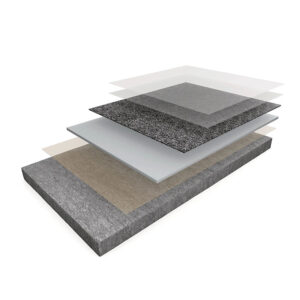
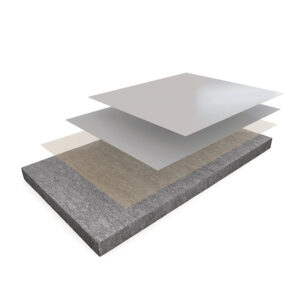
CrylForte™ Sistema de suelo acrílico
Leer más -
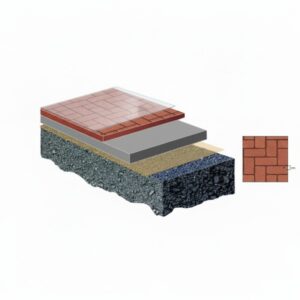
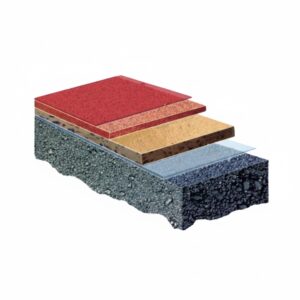
CrylForte™ Sistema de Plantillas para Hormigón
Leer más -
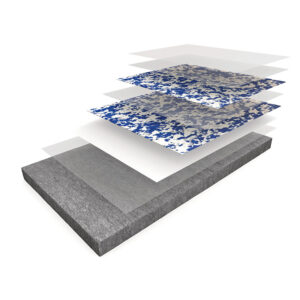
Sistema de suelo acrílico CrylForte™ Deco Flake
Leer más -
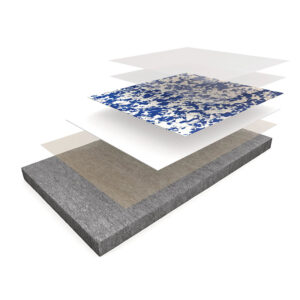
Sistema de suelo acrílico CrylForte™ Deco Flake SL
Leer más -
Sistema de suelo acrílico CrylForte™ Deco Quartz
Leer más -
Sistema de suelo acrílico CrylForte™ Deco Quartz SL
Leer más -
Sistema de suelo acrílico CrylForte™ Gard SL
Leer más -
Sistema de suelo acrílico CrylForte™ Shield
Leer más -
Sistema de suelo acrílico CrylForte™ SL
Leer más -
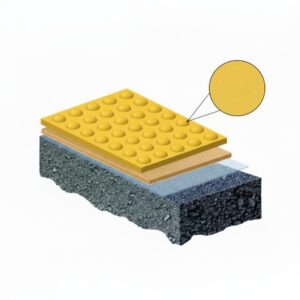
CrylForte™ Sistema de polímero para pavimentación táctil
Leer más -
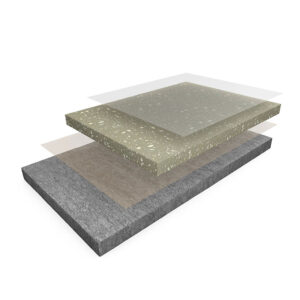
Sistema de pavimento acrílico CrylForte™ Terrazzo
Leer más -
CrylForte™ Sistema de pavimento de polímero a base de agua
Leer más -
DurAcryl™ MMA Sistema Para Suelos De Hormigón Para Gas Sation
Leer más
Selección de materias primas
Formulación y mezcla
Pruebas por lotes y control de calidad
Fabricación y envasado
Coincidencia de colores y aprobación de muestras
Cumplimiento de la normativa sobre COV y sistemas con bajo contenido en COV
Asistencia técnica e instalación in situ
Embalaje para exportación y envío internacional
Selección de materias primas
Las resinas epoxi, los agentes de curado, los pigmentos, los rellenos y los disolventes proceden de proveedores químicos internacionales de reconocido prestigio. Cada lote que llega se inspecciona y solo se autoriza su paso a producción tras superar el control de entrada de materiales de la fábrica. Se archiva el registro de cada lote, de modo que se pueda rastrear el producto acabado hasta los materiales con los que se fabricó.
Formulación y mezcla
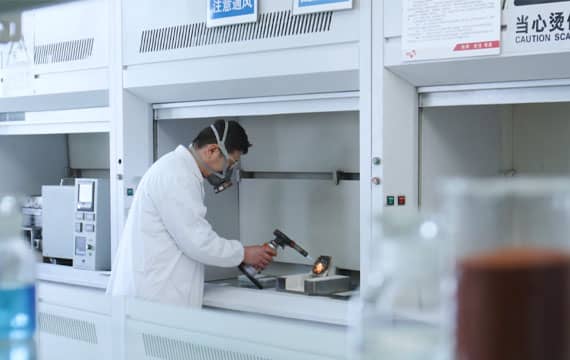
Las formulaciones se desarrollan y ajustan en el laboratorio de la fábrica. Cada ciclo de producción se mezcla según una fórmula registrada con una proporción y una secuencia de mezcla fijas, y se comprueba la viscosidad y el tiempo de gelificación del lote antes de dar luz verde a su envasado. Las formulaciones se ajustan a objetivos de rendimiento específicos —adherencia, resistencia química, resistencia a la abrasión o contenido de COV— en lugar de a una única especificación genérica.

Pruebas por lotes y control de calidad
Cada lote se somete a pruebas antes de su embalaje. Las pruebas abarcan las propiedades que determinan el comportamiento del recubrimiento en la obra —adherencia, resistencia a la abrasión, dureza, nivel de brillo y contenido en sólidos— y se comparan con la ficha técnica del producto. Se emiten informes de pruebas para cada lote, que pueden adjuntarse al envío.
Fabricación y envasado
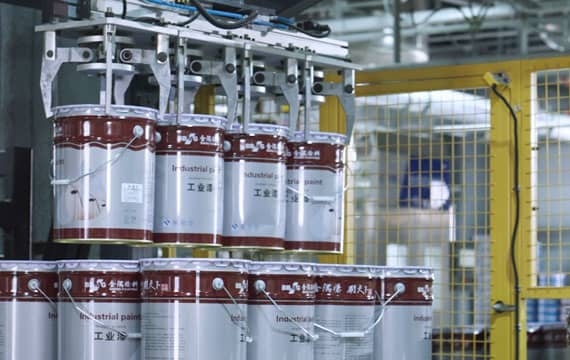
La producción se lleva a cabo en las líneas de recubrimiento de la fábrica, donde los recubrimientos se mezclan en grandes lotes y se envasan en cubos o bidones. Cada envase se etiqueta con el código del producto, el número de lote y la fecha de producción, y la etiqueta lleva la marca KAIDA PAINT®, de modo que siempre es posible relacionar un envase entregado con su registro de lote.
Coincidencia de colores y aprobación de muestras
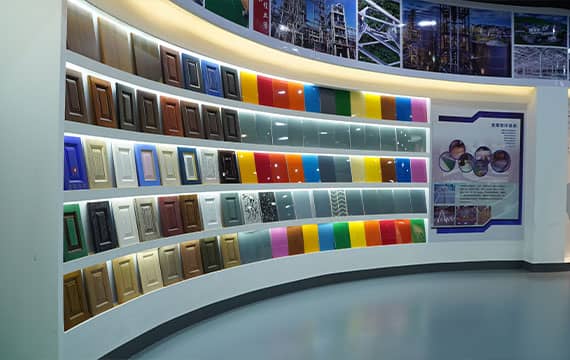
La correspondencia de colores se lleva a cabo internamente, comparándolos con la gama de colores estándar de la fábrica. Cuando un proyecto requiere un tono específico, se prepara una muestra de color y se envía al cliente para que dé su aprobación por escrito antes de que comience la producción, de modo que el material entregado coincida con lo aprobado.
Cumplimiento de la normativa sobre COV y sistemas con bajo contenido en COV
Los sistemas a base de agua y sin disolventes están formulados para cumplir los límites de COV vigentes en el mercado de destino. El contenido de COV de cada producto se indica en g/L en su ficha técnica, de modo que el prescriptor puede comprobar el cumplimiento de la normativa aplicable a su propio proyecto, en lugar de basarse en una afirmación general.

Asistencia técnica e instalación in situ
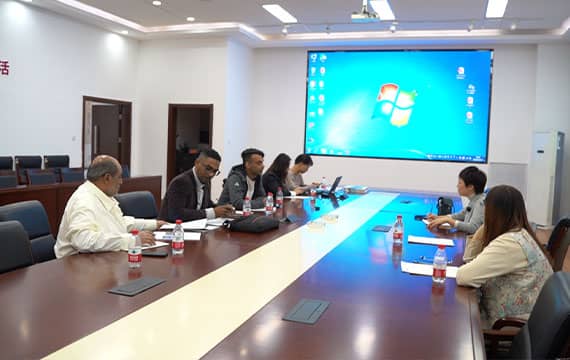
La asistencia técnica abarca la selección del sistema, la evaluación del sustrato, el asesoramiento sobre la instalación y el diagnóstico de averías, tanto antes como durante y después de la entrega. Cuando un proyecto lo requiere, la instalación la llevan a cabo instaladores, y el equipo que ha asesorado sobre las especificaciones sigue participando durante el proceso de instalación.
Embalaje para exportación y envío internacional
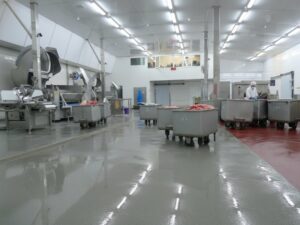
Los pedidos se embalan para su exportación junto con la documentación necesaria para cada proyecto: ficha técnica, ficha de datos de seguridad e informe de ensayo del lote. El embalaje y el etiquetado se adaptan a los requisitos del mercado de destino. Entre los proyectos recientes enviados desde la fábrica se incluyen un suelo para una planta alimentaria de 10 000 m² en Venezuela, un proyecto de suelo industrial en Suecia y la renovación de una planta de baterías en Hungría.

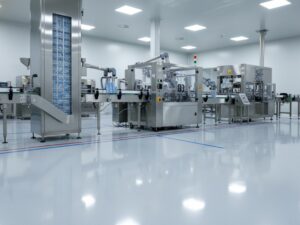
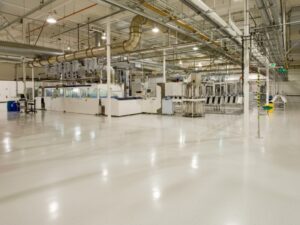
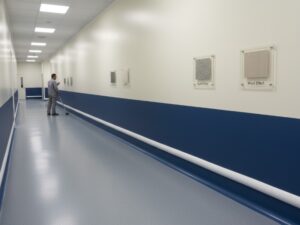
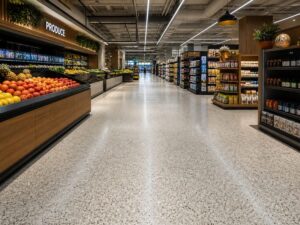
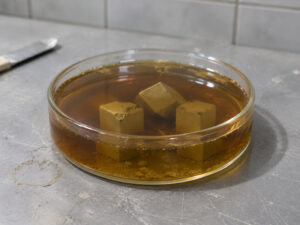
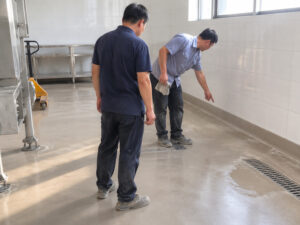
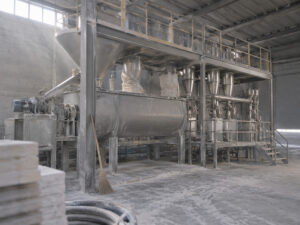
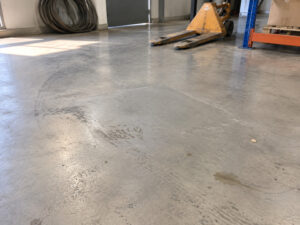
KAIDA suministra revestimientos epoxi para suelos y revestimientos industriales para proyectos industriales y comerciales. KAIDA PAINT® es la marca de exportación de Tianjin Kaida Tech Co., Ltd.; los revestimientos son fabricados por JINYU en China.
© 2023 KAIDA PAINT. Todos los derechos reservados -
Diseño de KAIDA
We've detected you might be speaking a different language. Do you want to change to:
 English English
 Spanish
 Portuguese
 Arabic
 French
 Italian
 Russian
 Indonesian
 Swedish