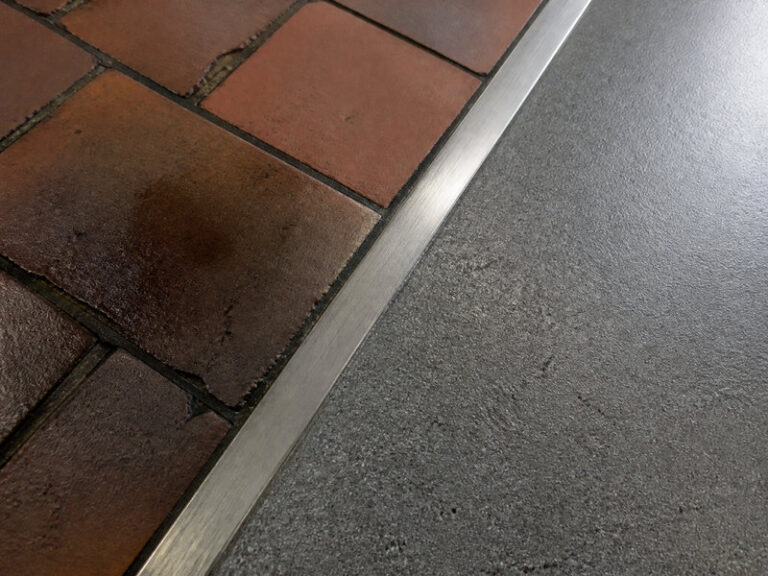
Seamless flooring is usually sold on hygiene, and hygiene is only half the argument. The other half is repair, and on that measure tile has been winning in food plants for decades.
A resin floor is seamless, so there is no joint for soil to enter. A tiled floor is jointed, so there are hundreds of places where soil can enter, and each one is a small reservoir that a brush cannot reach.
This article compares the two on the four measures that decide a food plant floor: hygiene, thermal performance, repair, and whole-life cost. It also sets out which rooms each one wins, because the answer is not the same everywhere.
What seamless actually buys you
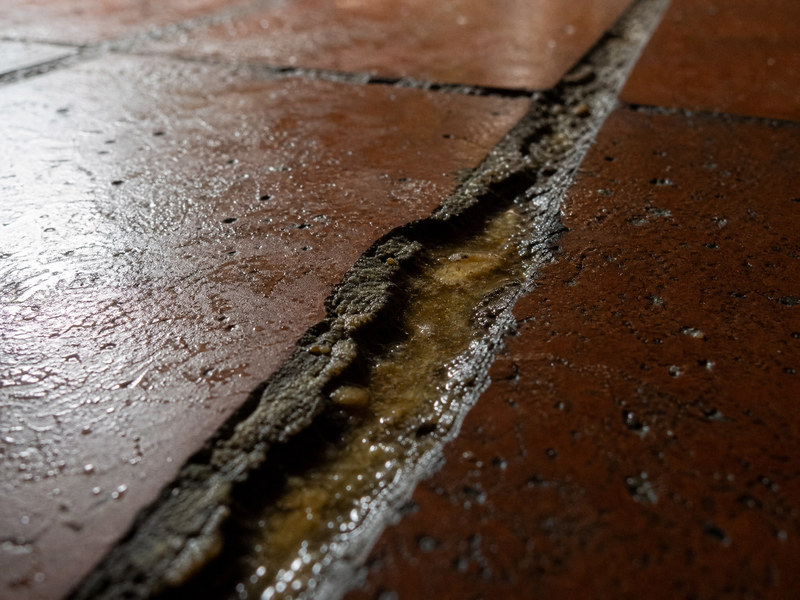
Figure 1: Thirteen metres of joint per square metre is the whole hygiene argument, and the whole repair argument.
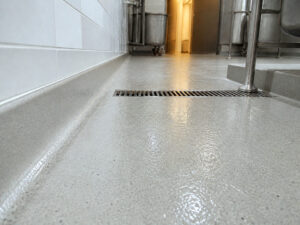
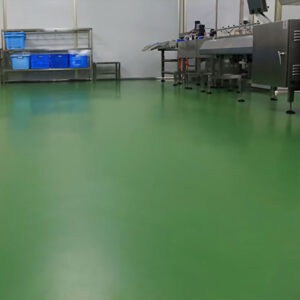
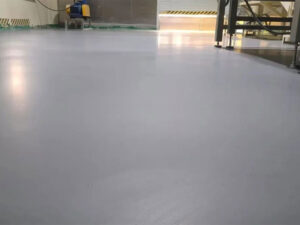
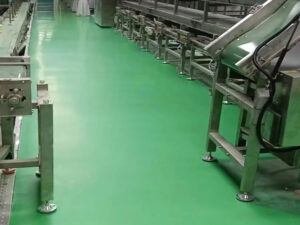
A seamless flooring system has no joints in the field, which means no grout lines to erode and no place for a biofilm to establish out of reach of a brush. That is the whole hygiene argument, and it is a good one.
The benefit is real but conditional, and it is worth stating what it does not cover. A seamless floor does not stop a drain collar from lifting, and it does not make a rough profile cleanable. It removes the joint, which is one defect class out of three. Seamless flooring is therefore a better starting point rather than a finished answer. A seamless floor with a poor cove, a badly formed drain collar and a rough profile is less cleanable than a well-laid tiled floor with epoxy grout, because the geometry still traps soil.
So the honest claim for seamless flooring is not that it is hygienic by nature, but that it removes one class of defect. The rest of the hygiene performance still comes from detail and cleaning. The argument is easier to win in a room that is washed than in a room that is swept. A seamless flooring system also shortens the cleaning window, because there are no joints to brush, and that saving repeats every shift for the life of the floor.
Where tile still wins
A tiled floor food plant wins on heat, on impact and on repairability. Unglazed quarry tile takes hot oil, a dropped pan and a pan of boiling stock without the surface failing, and a damaged tile can be replaced in an hour.
That matters most on a cooking line, where the floor sees oil at 180 °C and pans that are dropped rather than placed. A resin film in that position has to be chosen for heat, and most standard epoxies are not.
A tiled floor food plant also tolerates a hot pan being set down, which is a daily event on some lines and a rare one on others. The quarry tile vs epoxy question also depends on what the floor is expected to do at the end of its life, because tile can be lifted and resin has to be ground.
That difference is worth checking before the comparison is made, because quarry tile vs epoxy is often decided by one piece of equipment. Tile also wins where the substrate is moving. A tiled floor food plant also comes with a repair route that a maintenance team already knows. A tiled floor accommodates small movement through its joints; a rigid film does not, and it cracks instead.
The grout joint problem, in numbers
A grout joint of 3 to 6 mm around a 150 mm tile gives roughly 13 metres of joint per square metre. In a 200 m² room that is 2.6 kilometres of line, and every metre of it is a place where soil can sit.
Epoxy grout reduces the problem but does not remove it. The joint is still a depression, it still collects fat, and it still loses adhesion at the edges as the floor moves under traffic.
A grout joint also widens with thermal cycling, and a wide joint holds more fat than a narrow one. The comparison is not really between tile and resin at all, but between the defects each one develops after five years in service. A tiled floor develops open joints, and a resin floor develops lifted patches at details.
Both hold soil, and both are visible to a swab. The difference is that a lifted patch can be cut out and re-laid while a joint has to be cut and re-grouted. That is why resin vs tile hygiene arguments usually end with a swab result rather than a specification clause. The joint is where the swab fails, and no grout chemistry changes the geometry.
Table 1: The same 200 m² room, two floors.
| Measure | Seamless resin | Quarry tile |
|---|---|---|
| Joint length in the field | None | About 2.6 km |
| Places for soil to sit | Details only | Every joint |
| Repair of a local defect | Cut and patch | Replace tile |
| Hot oil resistance | Depends on system | Bom |
Thermal shock and hot oil
Quarry tile vs epoxy is often framed as a simple choice, and it is not. Tile has excellent thermal shock resistance because it is fired clay; resin has excellent thermal shock resistance only when the binder is chosen for it.
A seamless flooring floor on a cooking line has to be chosen for heat rather than for wear. A standard epoxy at 0.5 mm will fail at the base of a fryer within a season. A cementitious urethane at 6 to 9 mm will survive the same position, and it will also survive the washdown that follows.
So the comparison depends on the resin. A thermal shock resistance figure from a data sheet is measured on a sample, and a fryer base is not a sample. The quarry tile vs epoxy decision on a cooking line is usually settled by one piece of equipment, and sometimes by one shift pattern.
A floor that sees hot oil at the fryer and cold water at the washdown is being asked to do two jobs. The system that survives both is the one worth comparing, not the cheapest one on the list. Comparing a cheap epoxy with quarry tile is not a fair test of resin; comparing a urethane with tile on a cooking line is a genuine choice, and the answer often comes down to repair.
Cleaning validation: what a swab actually finds
Cleaning validation is where the hygiene argument becomes evidence. A validated procedure specifies the surface, the chemistry, the contact time and the check, and the check is a swab or an ATP reading in a defined set of locations.
A cleaning validation record that lists the failing locations is the most useful document a plant can keep, because it shows where the geometry is wrong. On a tiled floor, the locations that fail are almost always joints, corners and the base of equipment. On a seamless floor they are details: a drain collar, a plinth, a door frame, and any patch that has lifted.
That is why resin vs tile hygiene is a comparison of defect types rather than of materials. Each floor has a characteristic failure, and the question is which one your cleaning routine can manage.
Repair economics, which usually decides it
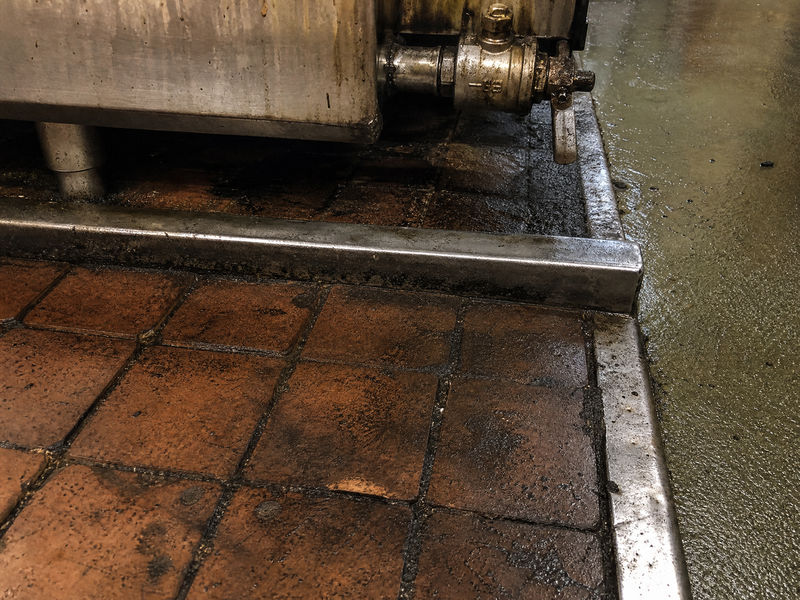
Figure 2: On a cooking line the comparison is decided by hot oil and impact, not by joint count.
A repair cost on tile is small and predictable: lift the damaged tile, scrape the bed, fix a new one, re-grout. It can be done in a shift by a maintenance fitter, and the floor is usable the same day.
A plant that runs three shifts also pays a different repair cost, because every repair is scheduled against production. The resin vs tile hygiene comparison therefore changes with the shift pattern, which is why two plants with identical rooms can reach opposite conclusions. A single-shift plant can repair on a Saturday and lose nothing.
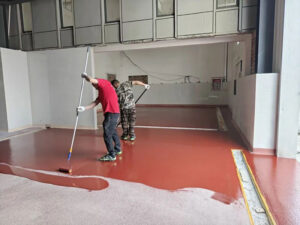
A three-shift plant loses a shift, and the arithmetic moves to the seamless option. A repair cost on resin depends on the failure. A surface defect is a patch; a bond failure is a cut-back and a re-lay; a crack at a detail is a detail rebuild. Each is a specialist visit, and each has a minimum charge.
The asymmetry is also visible in who does the work: a tiler can be found in most towns, while a resin repair needs a trained crew and a dry window. That asymmetry is why tile survives in plants that value uptime over hygiene. The resin floor is better while it is intact and more expensive the moment it is not.
Lifecycle cost, with the assumptions stated
Table 2: The four assumptions that decide a life.
| Assumption | Why it matters |
|---|---|
| Service life per system | Sets the replacement interval |
| Repair frequency and size | Drives the annual cost |
| Downtime per repair | Usually the largest term |
| Cleaning hours per week | Where a seamless floor earns back its cost |
Lifecycle cost comparisons are easy to manipulate, so the assumptions matter more than the total. State the service life for each, the repair frequency, the downtime per repair and the cleaning hours per week.
On those assumptions, a tiled floor in a cooking area often wins over twenty years because the repairs are cheap and local. A seamless flooring system wins in a wet process room because there are no joints to erode and the cleaning hours fall.
A lifecycle cost model that ignores cleaning hours will always favour tile, and one that ignores repair frequency will always favour resin. The number that changes the answer most is downtime. Where a repair costs a production shift, the seamless floor’s longer intervals outweigh its higher repair cost; where repairs can be done on a Sunday, tile’s cheapness dominates.
A decision by room, not by plant
Cooking line and fryer surround: tile, or a urethane if the washdown is heavy. The deciding factor is hot oil and impact, and tile handles both without a specialist.
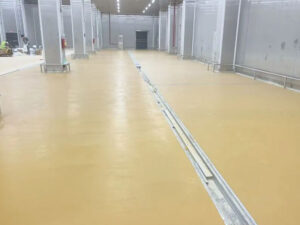
Wet process and washdown rooms: seamless flooring in a urethane, because the joints are the problem and the cleaning hours are the cost. This is where the hygiene argument earns its money.
Dry production and packing: a thin resin, for dust control and cleanability, at a cost that tile cannot match once the bed and grout are counted.
Cold rooms: resin, because a tiled floor in a freezer loses joints to frost heave and cannot be repaired without a defrost. In each case the decision is local, and a tiled floor food plant in one room says nothing about the next. Seamless flooring across a whole plant is a procurement convenience rather than an engineering answer. A room-by-room table is the only format that survives a value-engineering review. It also gives the contractor a scope that can be priced without assumptions, and a basis for comparing two bids line by line.
A table also survives staff changes, which a verbal agreement does not. It also makes a maintenance budget possible, because each row carries a system and a repair route, and a plant can see which rooms are due for work over the next three years. When the plant engineer retires, the table is what the next one inherits, and it is what keeps the floor decisions consistent across a decade of small projects.
Table 3: Decision by room.
| Room | Better choice | Porquê |
|---|---|---|
| Cooking line | Tile or urethane | Hot oil and impact |
| Wet process | Seamless urethane | Joints and cleaning hours |
| Dry packing | Thin resin | Dust control, low load |
| Cold room | Resin | Frost and repair access |
Frequently asked questions
Is a seamless floor always more hygienic than tile?
No. It removes joint defects, which is a real gain, but a seamless floor with a poor cove or a rough profile can be less cleanable than well-laid tile with epoxy grout. Hygiene comes from geometry and cleaning, not from the absence of joints alone. A resin vs tile hygiene argument that ignores the profile and the cove detail is answering a different question from the one an auditor asks. The auditor looks at the corner, the drain and the plinth, and those three are details rather than fields.
Why does quarry tile survive hot oil better than epoxy?
Because it is fired clay and does not have a polymer binder to degrade. A thin epoxy at the base of a fryer will soften and then fail; a cementitious urethane at 6 to 9 mm will survive the same position.
Which is cheaper over twenty years?
It depends on downtime more than on material. In a cooking area where repairs can be done cheaply and locally, tile often wins. In a wet process room, the seamless system wins because cleaning hours and joint erosion dominate the calculation.
Can a tiled floor be made seamless?
Only by covering it, which is a resin floor over tile and carries its own risks: the joints telegraph through unless the surface is prepared and filled, and the bond depends on the tile being sound and clean.
How long does a resin floor last compared with tile?
A thermal shock resistance advantage also narrows over time, because both surfaces reflect the same washdown routine. A well-specified urethane in a wet room gives ten to fifteen years with maintenance; quarry tile can give thirty with repairs. The resin figure assumes the details were built correctly, which is the assumption that most often fails.
What about the cleaning cost difference?
In a jointed floor, cleaning hours rise with the joint length and the fat load. In a seamless floor they fall, but only if the profile is fine enough to squeegee and the details are sound. Measure it for a month before assuming a saving.
Which is better for a high-care room?
A seamless system, almost always. The validated cleaning procedure is easier to write and to defend when there are no joints inside the room, and the cove detail can be continuous.
Why food plants work with Kaida Paint
Kaida Paint supplies resin systems and does not sell tile, so we will tell you where tile is the better answer. Send a room schedule with the cooking equipment and the cleaning method marked, and we will return a comparison by room with the lifecycle cost assumptions stated. Where seamless flooring is being considered against an existing tiled floor, we will also say whether an overlay is realistic or whether the tile has to come out.


 English
 Spanish
 Portuguese
 Arabic
 French
 Italian
 Russian
 Indonesian
 Swedish