
An aliphatic polyurethane floor coating is specified for one reason, which is that it keeps its colour. Everything else it does, an aromatic grade does for less money.
Colour and gloss are what UV stability protects, and yellowing is driven by the isocyanate, so colour retention is worth paying for in rooms that see daylight and nowhere else. The chemistry is predictable enough to say which room is which before the floor is ordered.
What aliphatic means in a floor product
The word describes the isocyanate used to build the binder. An aliphatic PU uses hexamethylene diisocyanate; an aromatic grade uses toluene diisocyanate or a similar molecule with a benzene ring in it.
That ring absorbs ultraviolet light and rearranges, which is the whole mechanism behind colour change. Removing it costs more and buys colour stability, and almost nothing else.
The distinction is chemical rather than marketing. Two products with the same trade name can sit on either side of it, and the datasheet should say which isocyanate family was used.
Where a datasheet says UV stable without naming the chemistry, ask for the test. Stability is a measured property, not an adjective.
An aliphatic polyurethane floor coating specification can also name the grade per room, which is the cheapest way to get colour where it shows. A distribution centre with a glazed entrance needs one room of aliphatic and nothing else.
Why aromatic grades yellow
Yellowing is a photochemical reaction, not dirt and not wear. Ultraviolet light breaks bonds in the aromatic ring, the molecule oxidises, and the colour shifts towards amber.
It happens at the surface first and progresses inward slowly. A floor that looks pale brown on top is usually unchanged two millimetres below, which is why a light grind reveals the original colour.
The rate depends on the intensity and the dose. A windowless warehouse may never show it; a filling hall with roof lights will show it within one summer.
It is also irreversible. No cleaning agent restores the colour, and a coat of clear sealer over an ambered floor simply locks it in.
The rate also depends on the pigments. Whites and light greys show a shift that a mid-grey or a dark green absorbs, so the same binder can look stable in one colour and unstable in another.
An aromatic comparison, done fairly
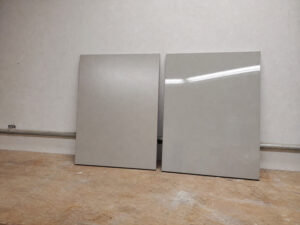
An aromatic comparison should be run on the same substrate, at the same thickness, with the same exposure. Half a dozen panels on a roof for a season will order the products correctly. The comparison against a different binder is set out under epóxi vs poliuretano.
Accelerated testing in a weatherometer is faster and less convincing, because the spectrum and the moisture cycle differ from a real building. It ranks products; it does not predict a specific floor.
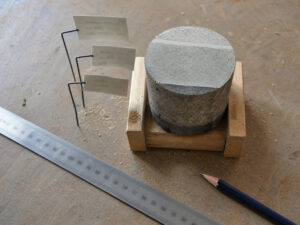
The cheapest test is the one most often skipped: leave a cured panel on a windowsill for three months and look at it against a reference. It costs nothing and it is honest.
Table 1: What each grade does over one summer of daylight.
| Grade | Colour change | Film condition |
|---|---|---|
| Aromatic PU | Visible amber shift | Sound |
| Aromatic epoxy | Chalk plus amber | Surface degradation |
| Aliphatic PU | Minimal | Sound |
UV stability and what it protects
UV stability protects colour and gloss, and it does not protect strength. An aromatic floor that has ambered is usually still structurally sound, which is why the defect is cosmetic in most buildings. The failure modes that do matter are set out under polyurethane floor coating failure.
The exception is a thin clear sealer, where the colour change is dramatic and the owner reads it as a failure. A 300 micron clear coat over a grey base will look like a different floor within a year.
Where a client is worried about strength rather than appearance, the money is better spent on thickness. Where appearance matters, no amount of thickness helps.
That trade is the entire argument of this article, and it is worth stating in a quotation rather than discovering in a complaint.
The aliphatic PU question is therefore a question about light, and it can be answered by walking the building at midday. Rooms with roof lights, roller doors and glazed partitions are the ones that need the upgrade.
Where the answer is ambiguous, an aromatic comparison on two panels is cheaper than an argument. Leave one in the room and one in a drawer for a season, then compare them; the result is unambiguous and takes three months.
Colour retention is a specification item
Colour retention should be written as a requirement with a test attached, not as a preference. A reference panel and a stated interval is enough, and it removes the argument about what normal fading looks like.
Where a plant has branded flooring, the reference panel belongs in the maintenance file. A replacement patch in year four will not match an ambered floor, and no supplier can make it.
The practical answer is to keep a spare panel from the original batch, stored in the dark. It costs nothing and it settles the colour question when a repair is needed.
Where the floor is in a public area, specify the aliphatic grade for the visible zone only. The back of house can be aromatic, and the saving usually pays for the upgrade where it shows.
Gloss retention and chalking
Gloss retention is the second thing daylight takes. An aliphatic film keeps its sheen far longer, and a gloss finish that has chalked reads as dirty even when it is clean.
Chalking is a surface phenomenon. The binder at the very top degrades into a powder that wipes off, and the film underneath is usually intact.
In a food plant, chalk is a contamination risk rather than an appearance problem, which is why the visible rooms tend to be specified with the stable grade regardless of colour.
Where a floor is buffed regularly, gloss is restored mechanically and the difference between the grades narrows. That is a maintenance cost rather than a specification choice, and it should be priced as one.
Why is exterior exposure a different problem?
Exterior exposure adds rain, freeze-thaw and dirt to the ultraviolet dose, and it changes the recommendation. No standard polyurethane floor suits permanent exterior use, whatever the grade.
Where a floor is under a canopy or inside a loading bay that opens to the weather, an aliphatic seal coat is the right choice and a UV-stable seal is worth considering.
Where the area is fully open, the answer is usually a different system rather than a different grade. Polyurethane is a good floor and a poor roof.
For an interior with a bright perimeter, the practical answer is often a mid-sheen finish rather than a gloss. A sheen hides minor colour shift and cleans as well, and it costs no more than the grade upgrade.
The seal coat strategy
A seal coat is where the grade decision is cheapest to apply. The body coat can be aromatic, because it never sees light, and only the last half millimetre needs to be aliphatic.
That layering is how most projects get colour stability without paying for it throughout. A 6 mm mortar with an aromatic body and an aliphatic seal costs a fraction more than the aromatic version alone.
The exception is a system where the whole build is one colour and one grade. Where a supplier sells a single-component coloured floor, the choice is made at the drum rather than at the seal coat.
Table 2: Where the aliphatic content belongs in a build.
| Camada | Grade | Reason |
|---|---|---|
| Cartilha | Aromatic | Never exposed |
| Body coat | Aromatic | Covered by the seal coat |
| Seal or topcoat | Aliphatic | Sees the light |
Cost, and where the premium is justified
The premium is roughly 40 to 80 per cent on the topcoat material and much less on the installed price, because the topcoat is a small fraction of the total volume.
On a small repair the arithmetic reverses. A five square metre patch in an aliphatic grade costs the same as a larger area in aromatic, because the material is bought in a pack rather than by the kilogram.
That arithmetic is worth doing before rejecting the upgrade. On a 6 mm mortar, an aliphatic seal can add 5 to 8 per cent to the installed cost, not the 40 that the material price suggests.
It is justified where the floor is visible, where a colour is part of a brand, or where a client will otherwise complain within a year.
It is not justified in a windowless warehouse, in a plant room, or under racking. Paying for colour stability where no light reaches the floor is a quiet waste, and it happens often.
Where a client has already built the warehouse, the same question can be answered from the roof plan. An aliphatic polyurethane floor coating under a solid roof at 8 metres will not change colour; the same product under 4 per cent roof lights will.
We have also seen the reverse, where a client paid for aliphatic throughout a building with no daylight and then complained about the price. That is a specification failure, not a product one.
What we will not claim
We will not claim that an aromatic floor has failed because it changed colour. It has done what the chemistry predicts, and the film is usually sound.
We will not claim that an aliphatic grade is more durable under traffic. It is more colour stable and slightly more flexible, and abrasion resistance is a separate question.
What we can do is supply a reference panel, state the grade on the datasheet, and tell a client honestly whether the room they are worried about will ever see enough light for the choice to matter.
That is also the answer we would want if we were buying. An aliphatic polyurethane floor coating is not improved by a grade it cannot use, and a supplier who talks a client out of an unnecessary upgrade is more useful than one who agrees with everything.
Send the roof plan and the room list, and the reply will say which rooms need the aliphatic grade and which are being sold it for no reason. That answer costs nothing and it is the one clients remember. Send a roof plan and a room list and the reply will name the rooms that need the upgrade.
One last point on expectations. A floor that changes colour has not become unsafe, and a plant that replaces it for that reason alone is spending money on appearance rather than on performance. That is a legitimate choice, as long as it is made knowingly. We would rather say that in a quotation than defend the opposite after the first summer, because the chemistry is predictable and the expectation is not.
Reading a UV claim on a datasheet
Three phrases appear on aliphatic polyurethane floor coating datasheets and mean different things. UV stable usually means the binder is aliphatic; UV resistant often means a light stabiliser has been added to an aromatic; UV cured describes a curing method, not a colour property.
A stabiliser slows yellowing and does not stop it. It is a reasonable compromise for a floor that sees morning light through a door, and it is not a substitute for an aliphatic grade under a skylight.
Ask for the isocyanate family and the test behind the claim. A supplier who can name both is describing a product; one who repeats the phrase is describing a brochure.
The same discipline applies to colour retention claims on a coloured system. A grade that keeps its colour is worth little if the pigment itself fades, and pigments vary as much as binders do.
Where a brand colour is critical, ask for two reference panels from different batches. If they differ, the standard is batch tolerance rather than colour stability, and no grade will fix it.
That is also the argument for exterior exposure thinking in an interior building. A loading bay door that stands open for eight hours a day exposes a strip of floor to a dose nobody calculated, and the strip will change colour first.
For glazed corridors and atria, the effect is the same and the area is larger. We have seen gloss retention lost across a whole reception area because the specification assumed an interior and the architect assumed daylight. How the topcoat thickness is written is covered under coating thickness and DFT.
Table 3: Three claim phrases and what each actually means.
| Phrase | Usually means | Ask |
|---|---|---|
| UV stable | Aliphatic binder | Which isocyanate? |
| UV resistant | Stabiliser in aromatic | Slows, or prevents? |
| UV cured | Curing method | Not a colour claim |
One further check is worth making on a coloured aliphatic polyurethane floor coating: ask what the floor will look like next to an unpainted sample after two summers. A supplier who answers with a number rather than a shrug is telling you they have seen it before.

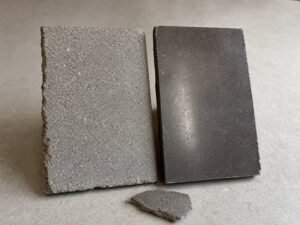
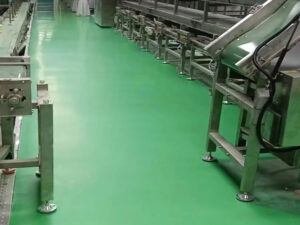
Figure 1: two cured panels side by side, one aliphatic and one aromatic, after a summer of daylight.

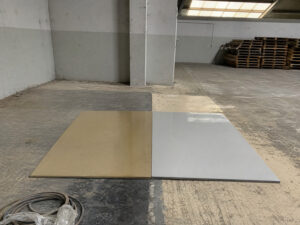
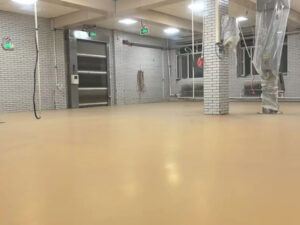
Figure 2: a floor under roof lights, with an amber shift against a protected strip beside it.
Perguntas frequentes
What is the difference between aliphatic and aromatic polyurethane?
The isocyanate used to build the binder. Aliphatic uses hexamethylene diisocyanate and resists ultraviolet light; aromatic uses a ring structure that absorbs it and yellows.
Does yellowing mean the floor has failed?
Usually not. It is a colour change, and the film underneath is normally sound. It becomes a failure only where appearance is part of the requirement.
How much more does an aliphatic floor cost?
Forty to eighty per cent more on the topcoat material, which typically adds five to eight per cent to the installed price of a full build.
Can I use an aliphatic topcoat over an aromatic body?
Yes, and it is the usual approach. Only the layer that sees light needs the stable grade, which is why the upgrade is cheaper than it first appears.
How do I test UV stability?
Expose cured panels to daylight for a season and compare them with a reference. Accelerated testing ranks products but does not predict a specific building.
Does an aliphatic floor last longer?
Not under traffic. Abrasion resistance is a separate property, and thickness matters more than grade for wear.
Can an ambered floor be restored?
Only by removing the affected layer. Cleaning will not reverse it, and a clear coat over an ambered floor locks the colour in.
Why specifiers work with Kaida Paint
Kaida Paint supplies both grades and states which isocyanate family is in the drum, so an aliphatic polyurethane floor coating can be compared with an aromatic offer on the same terms. We will send a reference panel and tell you whether the room will ever see enough light for the decision to matter.



 English
 Spanish
 Portuguese
 Arabic
 French
 Italian
 Russian
 Indonesian
 Swedish