
A single resin flooring project reference proves that something was possible once. A matrix of references, sorted by industry, area and available downtime, tells a buyer whether a supplier has done their kind of job.
This page sets out that matrix, explains what each axis actually changes about the system, and shows how to read a food plant case study without being misled by the photographs.
It also covers the part most suppliers avoid: what confidentiality means in practice, when an NDA is reasonable, and what you can still verify when the client name is withheld.
Why one reference is not evidence
A resin flooring project reference chosen by a sales team is the project that went well. That is not dishonest, but it is a sample of one, and it usually comes from the easiest sector the supplier serves.
The question a plant actually needs answered is narrower. Has this team worked at your area, in your downtime window, with a system that survives your cleaning chemicals? Those three are what the matrix is built to answer.
Cakupan is not competence. A supplier can have ten projects in a sector and never have handled the chemicals your plant actually uses, because two plants in the same industry often buy very different cleaning agents.

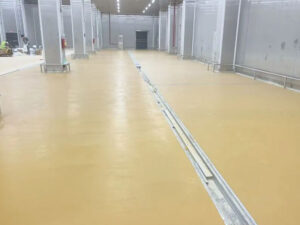
Figure 1: The matrix is read against a room list, not on its own.
Read it as a coverage map rather than a highlight reel. Because a resin flooring project reference is only useful when it is complete enough to show a gap. A supplier strong in 400 square metre cold stores and weak in 4,000 square metre wet rooms is a different proposition from one with the reverse profile, and both can be right for different projects.
The matrix: industry, area, downtime, system
The table below is the summary we use in tender conversations, and a list of project references also exposes gaps honestly. Each row is a sector, with the area normally involved, the system type that sector usually buys and the window it can offer.
Table 1: The reference matrix by sector.
| Sector | Typical area | Sistem | Downtime |
|---|---|---|---|
| Dairy and cultured products | 800 to 2,000 m2 | Cementitious urethane, 6 mm | 48 to 72 hours |
| Meat and poultry | 1,500 to 5,000 m2 | Cementitious urethane, 6 to 9 mm | Staged nights |
| Brewery and beverage | 600 to 3,000 m2 | PU or cementitious urethane | One week shutdown |
| Bakery and dry goods | 1,000 to 4,000 m2 | Epoxy, 2 to 3 mm | Weekend |
| Cold store | 300 to 1,200 m2 | PU or MMA, low temperature | Nights, live store |
| Pharma-adjacent packing | 200 to 800 m2 | Epoxy or PU, 2 to 4 mm | Weekend |
Two things are worth noticing. The areas are ranges rather than averages, because a project is bought at one end or the other. And no sector has a single system, because the system type is chosen room by room inside the same building.
We have two breweries and no distillery, and cold stores but no blast freezers at minus thirty-five. A buyer is better served by that sentence than by a claim of full coverage, which is why the table has a system column rather than a promise.
A industry matrix that shows one row per sector will always flatter a supplier. The useful version shows where the supplier has two or three projects in a row, because that is where the learning has accumulated.
Area range: why 200 and 5,000 are different jobs
Below roughly 300 square metres, a floor is a repair project. Access, containment and cleaning matter more than the material, and a small crew working two nights is normal.
The area range column is also where tenders go wrong. A supplier who lists a five-thousand square metre project may have delivered it in four stages over a year, which is a different capability from one continuous installation.
At the top of the area range, a project becomes a logistics exercise. Materials arrive in multiple deliveries, the crew splits by zone, and the supervision model has to change from one person watching to several reporting.
That shift happens somewhere between 1,500 and 2,500 square metres for most applicators. It is worth asking where their threshold is, because a team excellent at 400 square metres may never have run a four-crew operation.
Ask for the largest single area they have completed without a break in the programme, not the largest they have completed. The two answers are often years apart.
Downtime band: the four windows
Every food plant project sits in one of four downtime band categories, and the category decides more about the system than the chemistry does.
Table 2: The four windows and what each one forces.
| Window | Duration | What it forces |
|---|---|---|
| Weekend shutdown | 48 to 72 hours | Fast-cure system, two crews, float in the plan |
| Staged nights | 6 to 12 hours per night | Zone barriers, daily clean-down, no wet trades overnight |
| Live area | No shutdown | Containment first, small bays, product protection |
| Full shutdown | One to two weeks | Freedom on build-up, slower cure, lower material cost |
The downtime band also sets the price more than the area does. A 600 square metre floor in a 48-hour window can cost more than a 1,200 square metre floor in a two-week shutdown, because the labour and the cure chemistry are being compressed.
Ask what the window actually contains. A seventy-two hour shutdown that starts when the last pallet leaves is sixty-six hours of work, and a plan built on seventy-two is already six hours late before anyone lifts a tool.
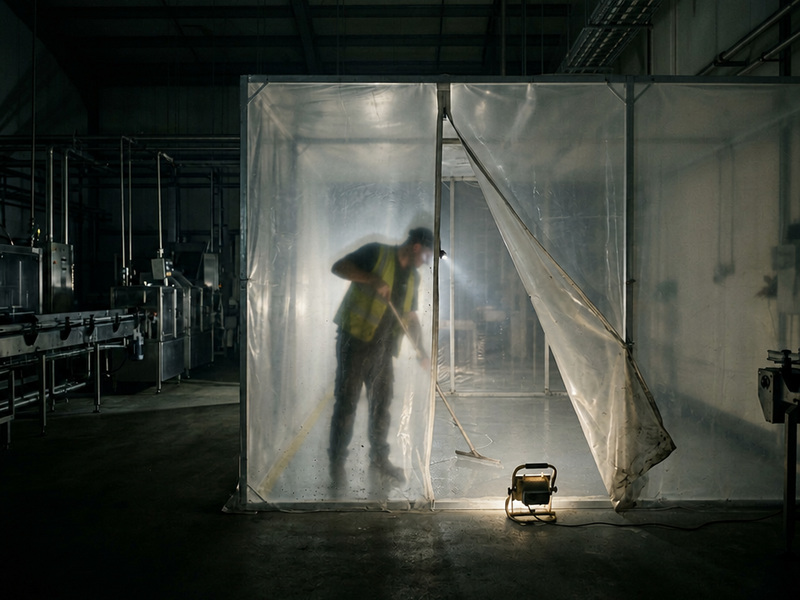
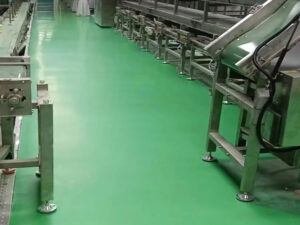
Figure 2: The window decides the system more than the chemistry does.
That is why a quote comparison without the window beside it is unreadable. Two prices for the same square metres in different windows are not competing offers; they are different projects.
System type follows the window, not the trend
Buyers often arrive with a system in mind because a neighbouring plant used it. The system type should follow from four things: chemical exposure, temperature range, mechanical load and the available window.
A cementitious urethane needs thickness and time. In a 48-hour window it is possible at 4 to 6 millimetres with the right crews and a warm night; at 9 millimetres it is not.
Methyl methacrylate sets in an hour and is the answer for cold stores and for nights where the line must run at six in the morning. It also has an odour that has to be managed, which is a planning problem rather than a technical one.
The downtime band and the system type also interact with the season. A cementitious system poured in an unheated room in January behaves differently from the same product in June, and a resin flooring project reference that ignores season is usually one assembled from a list.
Epoxy remains the right choice for dry areas and for light duty. Specifying a heavy-duty system in a dry bakery is not caution; it is money spent on a property the room will never use.
What a food plant case study should contain
A food plant case study worth reading has six elements: the sector, the area, the window, the build-up, the problem that triggered the work, and a measured result at a stated interval.
Most published examples have three of the six. Photographs of a finished floor are the least informative part, because every new floor photographs well and none of them show the drains.
Ask what went wrong. A supplier who can describe two failures on a similar job, and what changed afterwards, is giving you more than one who presents a clean record, because the clean record usually means the sample was curated.
Our own food plant case study on a 1,650 square metre wet room includes four things that went wrong, and it is a better document for it.
Confidentiality: why the names are missing
Confidentiality in this industry is not secrecy for its own sake. A floor failure in a food plant is a hygiene finding, and a hygiene finding is not something a manufacturer wants on a supplier website.
The usual arrangement is that the sector, the area and the window can be published, while the plant name and location cannot. That still leaves a reader able to judge whether the project is comparable.
There is a commercial reason too. A published client list invites competitors to approach that plant, and protecting the relationship is a legitimate part of confidentiality rather than an excuse for it.
What confidentiality should never cover is the existence of the project. A supplier who cannot describe a job in any detail has usually not done one, and the lack of a name is a convenient place to hide that.
Treat an anonymous reference as a claim with a test attached: ask for the year, the area and the system, and see whether the answers stay consistent when you ask again in six months.
The NDA question, and what it is reasonable to ask
An NDA on a reference is normal for large manufacturers and unusual for smaller ones. What matters is whether it prevents you from verifying anything, or only from naming the site.
A workable position is a reference call under an agreement, where the client speaks to you directly and neither party publishes the conversation. That gives you the honest version, which a written reference rarely does.
If a supplier refuses even that, ask for the plant’s sector, its approximate size and the year of completion, and check whether the answers match anything that plant has published about its own expansion.
An NDA that covers the material specification is a different matter, and it is reasonable. Formulations are commercial information, and no buyer should expect the full build-up of a competitor project to be disclosed.
How to request a reference that is worth having
Table 3: What to ask a reference, and what a good answer sounds like.
| Question | Weak answer | Strong answer |
|---|---|---|
| Area completed per night | It depends | A figure, with the crew size |
| Window at the start | About a weekend | Hours, with the start time |
| What went wrong | Nothing | Two specifics and the fix |
| Supervisor | The company | A name and a role |
Ask for project references in your own sector and window band, not in general. A supplier with fifty references will send the ones that photograph best, which is rarely the one closest to your problem.
Give them the constraint first: area, window, cleaning chemicals and the reason the floor is being replaced. The reply tells you whether they have a match or are working backwards from a generic list.
The call itself is the point of a resin flooring project reference, and it should be short and specific: what was replaced, what the window was, what went wrong, and whether they would use the same crew again. Fifteen minutes is enough.
Then ask two questions that a curated reference cannot survive. How many square metres did the crew complete per night, and what did the plant do when it rained on the second day.
Two more questions separate a real reference from a listed one. Who supervised it, and are they still with the company? A project attached to a supervisor who left two years ago describes a team that no longer exists, and that is exactly what a resin flooring project reference is meant to reveal.
A supplier who answers both with a number and a story has done the work. One who answers with an adjective has not.
Building your own matrix before you tender
The most useful thing a plant can do before going to market is build its own industry matrix of the rooms it needs to fix, sorted by the four variables that change the price.
Rank the rooms by risk rather than by size. The room that failed the last audit matters more than the largest room, even when the largest room is the one the budget was built around.
List each room with its area, its chemical exposure, its current system, and the window production can give. That list will do more to make three quotes comparable than any specification template.
Instead of asking for project references in general, you can ask what a supplier has done in a nine-hundred square metre wet room with a sixty-hour window, which is a question with an answer. That is the shift a resin flooring project reference is for.
Send it with the tender and the industry matrix becomes a shared document rather than a sales claim. Put the matrix in the tender pack, not the slides: it is read before any site visit.
When the list is ready, send it with the tender. Suppliers price what they can see, and a plant that presents its constraints clearly usually receives fewer qualifications and fewer surprises.
Pertanyaan yang Sering Diajukan
What should a project reference include?
Six things: sector, area, the window available, the build-up used, the problem that triggered the work, and a result measured at a stated interval. A photograph of a finished floor is not one of the six.
Why are client names usually withheld?
Because a floor problem in a food plant is a hygiene finding, and plants do not publish those. Sector, area and year can normally be shared, and that is enough for a reader to judge whether the job is comparable.
Can we speak to a reference directly?
Ask for it, and expect it to be arranged under an agreement that neither side publishes the conversation. A supplier who cannot arrange one call in your sector is telling you something about the depth of their list.
How do we compare projects of different sizes?
Compare by constraint rather than by area. A 400 square metre cold store in a live building and a 4,000 square metre dry hall in a shutdown have almost nothing in common except the supplier’s name on the invoice.
Does an NDA stop us verifying a job?
It should not. An agreement that covers the site name and the formulation is reasonable; one that prevents the client speaking to you at all is a different instrument and worth questioning.
What downtime should we plan for?
Plan from the cure data rather than from precedent. A cementitious urethane needs 18 to 26 hours before a cold wash depending on temperature, and the window has to contain that plus preparation, not instead of it.
How many references are enough?
Three in comparable conditions is enough to see a pattern, and one is never enough to see anything. If a supplier has only one, ask how long ago it was and who supervised it.
Mengapa perusahaan makanan bekerja sama dengan Kaida Paint
Kaida Paint keeps its resin flooring project reference sorted by sector, area and window, so a plant can see whether the material has been used in conditions like its own. We can share area, year and system for every project on the list, and arrange a call with a plant in your sector where the client agrees. Where an agreement applies, we will say so at the start rather than at the point you ask for a name. Send the room list and the window, and the reply is the closest matches we hold.







 English
 Spanish
 Portuguese
 Arabic
 French
 Italian
 Russian
 Indonesian
 Swedish