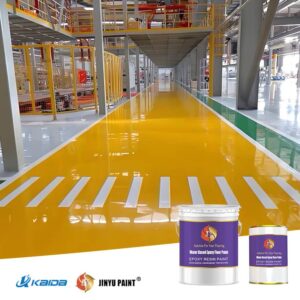
Water-based epoxy floor paint is a resin floor system in which water, not an organic solvent, carries the resin. The same product family is also called water-based epoxy floor coating — both names refer to the primer, mid-coat and finish on this page.
Because water is the carrier, VOC content and heavy-metal content are near zero and there is almost no pungent odor, which is why the system is used in schools, hospitals and other occupied buildings. It is an indoor system: the water-based epoxy film is not UV-stable.
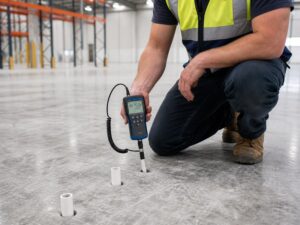
The film is also breathable — vapor below the slab can escape instead of being trapped, which reduces the risk of blistering. Substrate moisture content must still be below 8% at application and a waterproof layer is required; see the substrate conditions below.
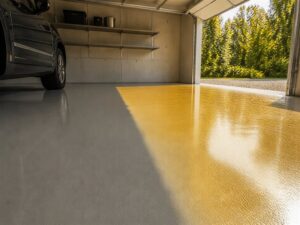
Indoor concrete floors at ambient temperature, where odor during application is a constraint:
1. Apa itu cat lantai epoksi berbahan dasar air?
A1: Lantai epoksi berbahan dasar air adalah lantai berkekuatan tinggi, tahan aus, dan indah dengan keunggulan tekstur yang mulus dan padat, ketahanan kimia yang baik, tahan korosi, tahan air, tahan debu, perawatan yang mudah, dan biaya perawatan yang rendah.
2. Untuk area apa saja lantai epoksi berbahan dasar air cocok digunakan?
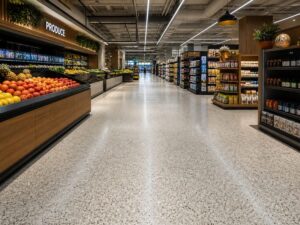
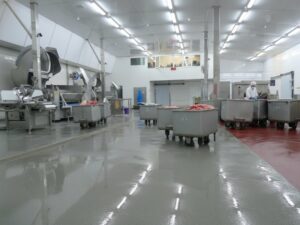
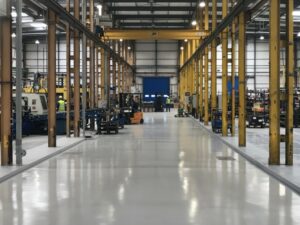
A2: Bengkel produksi, bengkel bebas debu, gudang, bengkel, gudang dan garasi bawah tanah dengan persyaratan khusus seperti anti statik dan anti ledakan, pabrik dan koridor di bidang tekstil, tembakau, makanan, sekolah, rumah sakit dan industri lainnya, pabrik mesin, tempat parkir, terutama trotoar yang membutuhkan forklift, mobil dan gerobak berat.
3. Ada berapa jenis cat lantai berbahan dasar air?
A3: a. Water-based epoxy floor paint; b. Water-based polyurethane floor paint; c. Water-based inorganic composite floor paint
4. Berapa ketebalan lantai epoksi berbahan dasar air?
A4: Ketebalan secara umum sekitar 0,5mm-10mm. Jika terlalu tipis, maka akan mudah mengelupas dan retak.
5. Apakah lantai epoksi berbahan dasar air tahan terhadap minyak?
A5: Memiliki efek anti-penetrasi pada oli motor umum, oli roda gigi, dll.
6. Apakah lantai epoksi berbahan dasar air tahan terhadap asam dan alkali?
A6: A. Resistant to 30% sulfuric acid for 7 days without any change; B. Resistant to 40% sodium hydroxide for 7 days without any change; C. Resistance to gasoline 120#, no change in 7 days; D. Lubricating oil resistance has no change after 7 days.
7. Dapatkah lantai epoksi berbahan dasar air digunakan di luar ruangan?
A7: Cat lantai epoxy berbahan dasar air umumnya digunakan di dalam ruangan karena tidak tahan terhadap sinar UV, sedangkan cat lantai poliuretan dapat digunakan di luar ruangan.
8. Apakah lantai epoksi berbahan dasar air tahan api?
A8: Lantai epoksi biasa mudah terbakar, dan cat lantai epoksi berbahan dasar air bersifat tahan api.
9. Berapa harga lantai epoksi berbahan dasar air?
A9: Harga lantai epoksi berbahan dasar air bervariasi sesuai dengan jenis dan bahan yang digunakan. Harga spesifik tergantung pada jenis yang dipilih dan pasar pada saat itu.
10. Apakah lantai epoksi berbahan dasar air beracun?
A10: Cat lantai epoksi berbahan dasar air menggunakan bahan baku yang ramah lingkungan, dan lantai umumnya tidak berbahaya bagi tubuh manusia setelah masa perawatan dan pemeliharaan.
11. Berapa banyak warna yang tersedia untuk lantai epoksi berbahan dasar air?
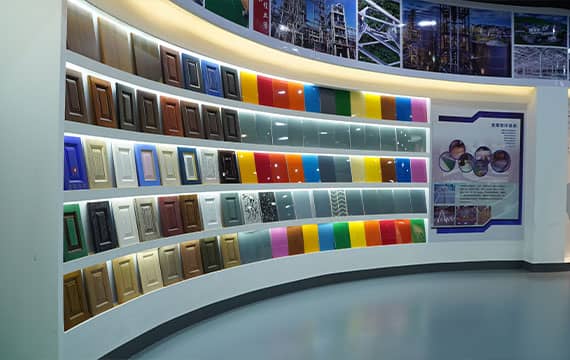
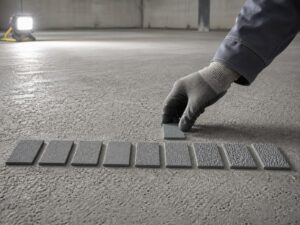
A11: Lantai epoksi berbahan dasar air memiliki beragam warna, dan warna yang umum digunakan antara lain merah, hijau, abu-abu, kuning, dll. Warna spesifik dapat dipilih sesuai dengan blok warna standar nasional. Yingwanjia telah memproduksi kartu warna cat lantai khusus.
12. Berapa tahun lantai epoksi berbahan dasar air umumnya dapat bertahan?
A12: Masa pakai lantai epoksi berbahan dasar air ditentukan oleh jenis lantai yang dipilih dan tingkat perawatan yang diterimanya. Umumnya, 3-5 tahun adalah normal.
13. Apa saja persyaratan untuk lapisan dasar lantai epoksi berbasis air?
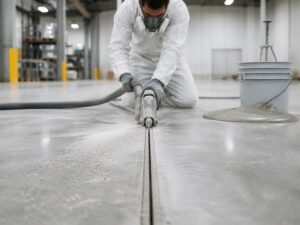
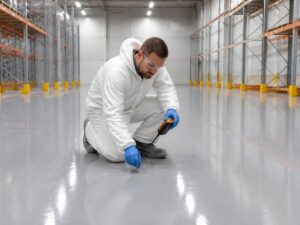
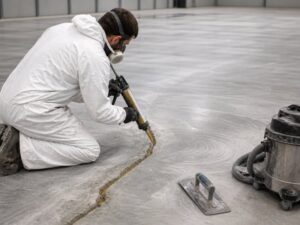
A13: Kekuatan dasar harus lebih besar dari C20 dan kerataannya harus memenuhi standar nasional. Lapisan kedap air harus dibuat dan kadar air lantai harus di bawah 8%. Alas harus dipoles dan bersih serta bebas debu.
14. Dapatkah epoksi diaplikasikan pada lapisan dasar berbahan dasar air tanpa lapisan kedap air?
A14: Hal ini umumnya tidak direkomendasikan.
15. Dapatkah lantai epoksi berbahan dasar air dibuat di atas teraso?
A15: Hal ini bisa dilakukan, tetapi perlu dipoles.
16. Berapa lama waktu yang dibutuhkan untuk proses pengeringan lantai epoksi berbahan dasar air?
A16: Bahan epoksi konvensional umumnya bertahan 10-12 jam di musim panas dan 12-24 jam di musim dingin.
17. Dapatkah lantai epoksi berbahan dasar air digunakan di lapangan?
A17: Lapangan di luar ruangan tidak disarankan.
18. Apakah lantai epoksi berbahan dasar air akan menyebabkan iritasi?
A18: Lantai epoksi berbahan dasar air tidak mudah terbakar dan tahan api.
19. Dapatkah lantai epoksi berbahan dasar air dibuat di pabrik pemrosesan mekanis?
A19: Hal ini dapat dilakukan, tetapi masa pakai akan dipersingkat karena lingkungan pengoperasian yang keras.
20. Bagaimana cara mengatasi masalah kebisingan saat menggunakan lantai epoksi berbahan dasar air di garasi bawah tanah?
A20: Masalah kebisingan lebih sulit ditangani. Satu-satunya cara adalah mengurangi pengereman darurat dan mengurangi kecepatan sebanyak mungkin.
21. Apakah goresan pada permukaan lantai epoksi berbahan dasar air dapat diperbaiki?
A21: Sulit untuk diperbaiki. Jika kerusakannya serius, Anda dapat mengaplikasikan lapisan pelapis baru atau menambahkan lapisan pelapis pada lantai yang sudah jadi untuk perlindungan.
22. Dapatkah lantai epoksi berbahan dasar air digunakan dalam industri makanan?
A22: Ya, cat lantai epoksi berbahan dasar air ramah lingkungan dan tidak beracun, dan beberapa di antaranya dapat mencapai food grade.
23. Apakah ada standar penerimaan nasional untuk lantai epoksi berbahan dasar air?
A23: Standar ini sekarang sedang diimplementasikan secara uji coba.
24. Apa perbedaan antara lantai epoksi berbahan dasar air dan lantai poliuretan?
A24: Bahan yang digunakan berbeda, sehingga kinerjanya juga berbeda. Epoksi berbahan dasar air memiliki ketangguhan yang lebih baik dan dapat digunakan di dalam ruangan dengan harga yang hemat biaya, sedangkan poliuretan memiliki kekerasan yang lebih baik dan tahan terhadap sinar UV serta dapat digunakan di luar ruangan.
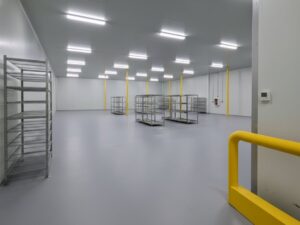
25. Dapatkah lantai epoksi berbahan dasar air digunakan dalam penyimpanan dingin?
A25: Pada umumnya tidak direkomendasikan untuk digunakan dalam penyimpanan dingin.
26. Berapa kisaran kemampuan adaptasi suhu lantai epoksi berbahan dasar air?
A26: Suhu yang berlaku bervariasi, tergantung pada bahan dan bahan pengawet yang digunakan.
27. Apa saja persyaratan suhu konstruksi untuk lantai epoksi berbahan dasar air?
A27: Suhu konstruksi adalah 5 derajat hingga 30 derajat.
28. Apa penyebab terjadinya lubang penyusutan pada lantai epoksi berbahan dasar air?
A28: Lapisan dasar tidak tersegel dengan baik, bahan tidak tercampur secara merata, dan bahan terlalu cepat mengeras.
29. Apa penyebab adanya bekas pisau pada lantai epoksi berbahan dasar air yang dapat meratakan sendiri?
A29: Bahannya terlalu cepat mengeras, sehingga menghasilkan perataan yang buruk dan penghilang busa tambahan yang tidak memadai.
30. Apa saja karakteristik lantai epoksi berbahan dasar air?
A30: Indah, integritas yang baik, ketahanan korosi, ketahanan asam dan alkali, dll.
31. Apakah lantai epoksi berbahan dasar air memerlukan sambungan ekspansi?
A31: Hal ini ditentukan berdasarkan luas lantai dan tata letak sambungan ekspansi di lapisan dasar.
32. Berapa lama setelah lantai epoksi berbahan dasar air selesai dikerjakan, dapatkah digunakan?
A32: Diperlukan waktu pengawetan minimal 7-10 hari.
33. Mengapa lantai epoksi berbahan dasar air dapat terkelupas?
A33: Ada masalah dengan bahan dasar atau perawatannya tidak tepat, penghilangan lapisan tidak menyeluruh, tidak ada lapisan kedap air atau bebannya secara serius melebihi beban desain.
34. Tindakan pencegahan apa yang harus dilakukan saat menggunakan lantai epoksi berbahan dasar air?
A34: ①Setelah konstruksi lantai selesai, perlu diawetkan selama 7-10 hari sebelum dapat digunakan. Selama masa pengawetan, air atau larutan lain harus dihindari agar tidak meresap ke dalam permukaan.
② Semua karyawan yang masuk ke bengkel harus berganti sepatu bersol karet (sepatu bersol hitam dengan sol busa tidak diperbolehkan) (untuk menghindari lumpur dan pasir dari luar masuk ke dalam bengkel dan menggores lantai).
③Semua perangkat keras: seperti kursi besi, meja besi, rak besi, dll., harus dibungkus kakinya dengan plastik lembut, karet, atau dilapisi karton agar tidak menggores tanah saat digunakan.
④ Traktor harus mengangkat papan mesin sepenuhnya dari tanah. Ketika berbelok, berikan perhatian khusus pada sudut papan mesin untuk menghindari goresan pada tanah. Saat membersihkan tanah, gunakanlah kain pel yang lembut dan menyerap atau penyedot debu basah dan kering. Anda dapat menggunakan air bersih atau deterjen untuk membersihkannya, tetapi harap berhati-hati karena tanahnya licin.
⑤ Sebelum peralatan masuk ke pabrik, letakkan kotak kardus di lantai sebagai bantalan untuk mencegah goresan di tanah selama pengangkutan. Gunakan roda karet yang keras atau elastis untuk gerobak dan truk flatbed, dan gunakan secara terpisah di dalam dan di luar pabrik.
35. Apakah ada debu selama konstruksi lantai epoksi berbahan dasar air?
A35: Akan ada sedikit debu, tetapi debu dapat diminimalkan dengan menggunakan peralatan konstruksi.
36. Apa saja persyaratan kelembaban udara dalam konstruksi lantai epoksi berbahan dasar air?
A36: Persyaratan terbaik adalah antara 30% dan 85%.
37. Apa saja persyaratan kadar air tanah dalam konstruksi lantai epoksi berbasis air?
A37: Tidak lebih dari 8%.
VOC content in g/L, system build and substrate requirements for each water-based product. Tell us your floor area, substrate condition and service environment, and we will recommend the build.




 English
 Spanish
 Portuguese
 Arabic
 French
 Italian
 Russian
 Indonesian
 Swedish