A flooring quote comparison usually starts with three prices for the same room and a spread of forty percent. The spread is almost never margin; it is scope, measured in ways that are not comparable.
One bidder measured the room, another measured the room plus the cove, and a third excluded preparation because it could not be priced from a photograph. All three are honest, and none of them is a like-for-like number.
This article sets out the six lines to compare, the questions that close a scope gap before award, and a sheet that makes a why flooring quotes differ visible in ten minutes.
Why the spread is not margin
A food plant flooring cost is built from six lines: area, preparation, build-up, details, site costs and extras. Two bids that look far apart usually differ on two or three of those lines rather than on the rate per square metre.
One practical consequence is that the cheapest bid is rarely the cheapest floor, and the most expensive bid is rarely the best one either. The rate is the least useful number in the comparison, because it is the one most easily made to look competitive. A lower rate with a thinner thickness and aggregate is not a cheaper floor, it is a shorter one.
The why flooring quotes differ in a typical tender come from measurement conventions and from assumptions about the slab. Neither is dishonest, and both are invisible on a one-page quotation. A verbal clarification during the tender does not survive the award, so put the questions in writing and circulate the answers to every bidder.
For flooring quote comparison, the fix is procedural rather than commercial: define the six lines in the tender, require each bidder to price them separately, and compare line by line before comparing totals.
Line 1: how the area was measured
Area measurement sounds trivial and decides the whole comparison. A room measured to the wall face is smaller than the same room measured to the skirting line, and the difference can be five percent on a small bay.
A area measurement convention should be stated in the tender, not discovered at comparison. Ask each bidder to state the measured area and the convention used: to the wall, to the cove line, or to the outside of the kerb. Then compare the areas, not the rates, because the rates are only comparable once the areas agree.
Two bidders who both visited will often agree on the area within a percent, which tells you the drawing was clear. Where a bidder has measured from a drawing rather than a site visit, say so in the comparison. A drawing measurement is not wrong, but it carries a risk that should be visible before award rather than after.
A area measurement taken from a photograph is a guess with a decimal point, and it should be labelled as one. Deduct openings above a stated size and state the threshold. A door opening that is deducted by one bidder and not another is a small difference that compounds across a plant.
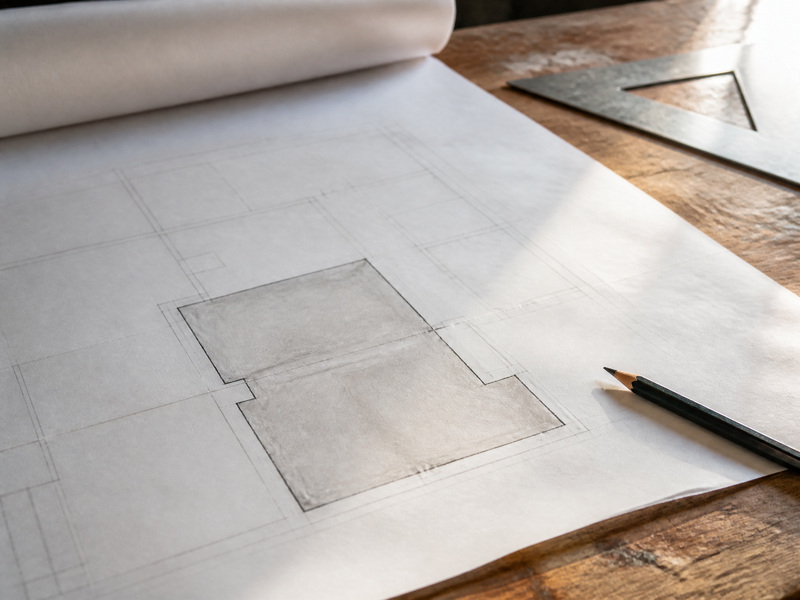
Figure 1: The cove line is where two measurements of the same room start to disagree.
Line 2: what preparation is included
A preparation allowance is the line that most often disappears between tender and invoice. Preparation can be a light grind or a full scarify and repair, and the difference on a worn kill floor is a factor of three.
Ask for the preparation allowance in writing, with the method, the equipment and the disposal route. A bidder who plans to grind and vacuum is pricing a different job from one who plans to plane and patch. Ask what happens if the slab turns out to be damp, and listen for whether the answer is a number or a shrug.
Where the slab condition is unknown, require a survey before the price is fixed. An allowance is acceptable if it is stated as a rate per square metre and adjusted by measurement, not as a lump sum.
A second visit is cheap compared with a variation. The same logic applies to moisture, and it is where flooring quote comparison bids most often diverge. A food plant flooring cost that excludes moisture testing is pricing a floor with an unknown substrate, and the risk sits with the buyer.
Line 3: thickness, aggregate and coats
Thickness and aggregate is the second line that hides a difference. A 300 micron coating and a 1 mm broadcast system can carry the same product name and the same colour, and they are not the same floor.
Require the build-up in millimetres, the aggregate rate in grams per square metre, and the number of coats. Those three numbers make two bids comparable without a site visit.
In a flooring quote comparison, a range is not a specification. A reference visit is worth more than a reference list, and it takes an hour. Ask the reference what went wrong as well as what went right, because every job has one thing. Ask for a sample of the proposed system as well, because a sample settles arguments about texture that no description resolves. Watch for a bid that specifies a thickness range rather than a figure. A range is a hedge, and the low end will be what gets built when the programme tightens.
A thickness and aggregate stated in microns for one bid and millimetres for another is the most common unit trap in a tender. Where a bidder proposes a different system, ask for the equivalence in writing. A substitution can be a good idea, but it has to be compared on the same three numbers.
Line 4: site costs and access
Preliminaries are the costs of being on site: welfare, power, waste, protection, supervision and out-of-hours working. They are usually ten to twenty percent of a food plant flooring cost, and they are the easiest line to leave out of a headline rate.
Compare preliminaries separately, and check whether night work is included. A bid priced on day shifts and a bid priced on nights are different products even when the rate per square metre matches.
Access matters as much. A plant that can only be entered through one door with a two-hour window has a different site costs cost from one with a yard and a forklift.
The preliminaries line also carries the cost of protection, and protection is what keeps a live plant running next door. Ask also whether the bidder has worked in a live plant, because that experience shows up in this line more than anywhere else. Ask for the number of mobilisations. A phased job with four mobilisations carries four sets of setup, and a bid that assumes one will be adjusted later.
Line 5: the extras that come back
Exclusions are legitimate and they are also the mechanism by which a cheap bid becomes an expensive job. The list is usually short: drainage, coving, line marking, out-of-hours work, making good.
Read the exclusions list before the price. A bid that excludes coving is not quoting the same floor as one that includes it, and coving is cheap to price and expensive to argue about, and the difference is visible in the detail schedule.
Require each exclusion to carry an indicative cost. A bidder who cannot price an exclusion can still state a rate, and the rate makes the comparison honest.
An scope gap is easier to close before award than after it. Where an exclusion is acceptable, write it into the award letter as a separate scope with its own price. An exclusion that stays in the tender documents becomes a variation, and variations are always more expensive than they were at tender.
The comparison sheet, in ten minutes
A flooring quote comparison sheet has one row per line and one column per bidder. Fill in the measured area first, then preparation, then the build-up, then details, site costs and extras.
A why flooring quotes differ is visible in the first two rows, which is why the sheet starts there. The row that most often decides the award is preparation, and it is the row least often filled in. If a bidder has left it blank, treat the bid as incomplete rather than cheap.
Keep the sheet for the next project, because the assumptions repeat and the second tender takes half the time. Add a column for the assumed area and a column for the stated thickness, and the why flooring quotes differ become visible without any arithmetic beyond subtraction.
In a flooring quote comparison, the last five percent is rarely the interesting part. Fill the sheet before the site visit, then walk the rooms with the bids in hand. When two bids are within five percent after the lines are filled in, the decision is about programme and references rather than price. That is a healthier conversation than one about a headline rate, and it usually produces a better floor because the contractor knows what is being measured.
Table 1: The six lines, and what to ask for on each.
| Baris | Ask for | Common gap |
|---|---|---|
| Area | Measured figure and convention | Cove excluded |
| Persiapan | Method, equipment, disposal | Grind only |
| Build-up | mm, aggregate rate, coats | Range not figure |
| Detail | Coves, drains, kerbs priced | Excluded |
| Preliminaries | Hours, access, mobilisations | Day rate only |
| Exclusions | List with indicative cost | No prices |
When the bids still do not line up
If a bidder cannot fill in a line, ask for the missing figure rather than accepting a range. A single question usually resolves it, and the answer is a useful test of how well the bidder knows the job.
A preparation allowance that is priced as a percentage is comparable; one priced as a lump sum is not. If two bidders propose different systems, compare them on thickness, aggregate rate and coats, then on the details. A system that is thinner but better detailed can be the better floor, and the sheet makes that visible.
Two provisional sums with rates are better than one open question, and a bidder who resists a rate is telling you something about the risk they have priced. Where a scope gap cannot be closed before award, name it in the contract as a provisional sum with a rate. A provisional sum is honest; an omission is not.
Finally, check that the preparation allowance and the exclusions survive into the contract documents. A flooring quote comparison that is not carried into the award is a comparison that gets renegotiated on site.
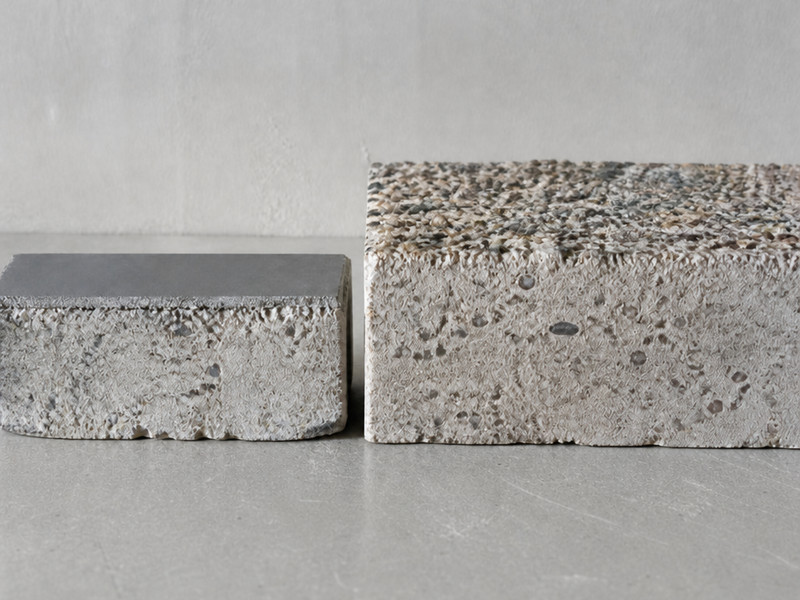
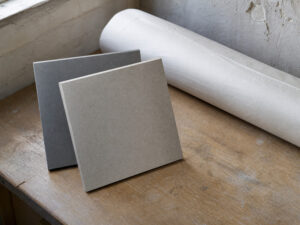
Figure 2: Two systems with the same product name, compared by thickness and aggregate rate.
Table 2: What a difference on each line usually means.
| Baris | If it differs | Ask |
|---|---|---|
| Area | More than 3 percent | Which convention |
| Persiapan | More than 50 percent | Method and equipment |
| Build-up | Any difference | mm and g per square metre |
| Extras | Any item | Indicative cost |
Table 3: What to carry into the award letter.
| Item | Carried as |
|---|---|
| Measured areas | Schedule of rates |
| Preparation method | Method statement |
| Build-up and aggregate | Specification clause |
| Extras | Provisional sums |
Pertanyaan yang Sering Diajukan
Why do flooring quotes for the same room differ so much?
Because they usually price different scopes. Area measurement, preparation, thickness and aggregate, site costs and extras all vary, and a forty percent spread is normally two or three of those lines rather than a difference in margin. Two bidders using the same drawings can still measure differently, and neither of them is wrong until the convention is written down.
What is a scope gap in a flooring tender?
It is work that one bidder has priced and another has not, without either saying so explicitly. Coving, drainage details and preparation are the usual candidates, and the gap only becomes visible when the bids are compared line by line. Circulating the same question to every bidder is the quickest way to close it, and the answers become part of the tender record.
Should I compare price per square metre?
Only after the areas agree and the build-ups are stated in the same units. Before that, the rate is a number that can be made to look competitive by thinning the system or excluding preparation.
How do I price an unknown slab?
With a stated rate per square metre for preparation, adjusted by measurement, plus a survey before the price is fixed. A lump-sum allowance hides the risk instead of pricing it. Where the slab is unknown, a small trial area is cheaper than either, and it produces a number that both sides can defend.
What should a flooring quote itemise?
Area with its measurement convention, preparation method, build-up in millimetres with aggregate rate, details, site costs including out-of-hours work, and extras with indicative costs. Six lines are enough to compare almost any bid. Add one row for the programme and one for the payment terms, and the sheet covers the commercial side without turning into a contract review.
Are extras always a warning sign?
No, but they are always a comparison point. An exclusion with an indicative cost is honest; an exclusion without one is a variation waiting to happen, and variations are more expensive than tender prices.
How many bidders should I invite?
Two bidders can also differ on what counts as a working day, which changes the programme without changing the price. Payment terms belong in the same conversation, because a bidder who carries a long retention has priced for it. Three is usually enough if the tender defines the six lines. More bidders add noise rather than competition, because the spread comes from scope rather than from price. If the three bids are close and the sheet is complete, award on references and programme rather than spending another month in tender. The sheet is the record that makes that decision defensible six months later.
Keep it with the tender file, not in somebody’s inbox.
Mengapa perusahaan makanan bekerja sama dengan Kaida Paint
Kaida Paint quotes by area with the build-up stated in millimetres, the aggregate rate in grams, and the details listed separately, so a flooring quote comparison against another supplier is a line-by-line exercise rather than a guess. Send a plan and the room schedule, and we will return the six lines in the same format you are using for the tender.



 English
 Spanish
 Portuguese
 Arabic
 French
 Italian
 Russian
 Indonesian
 Swedish