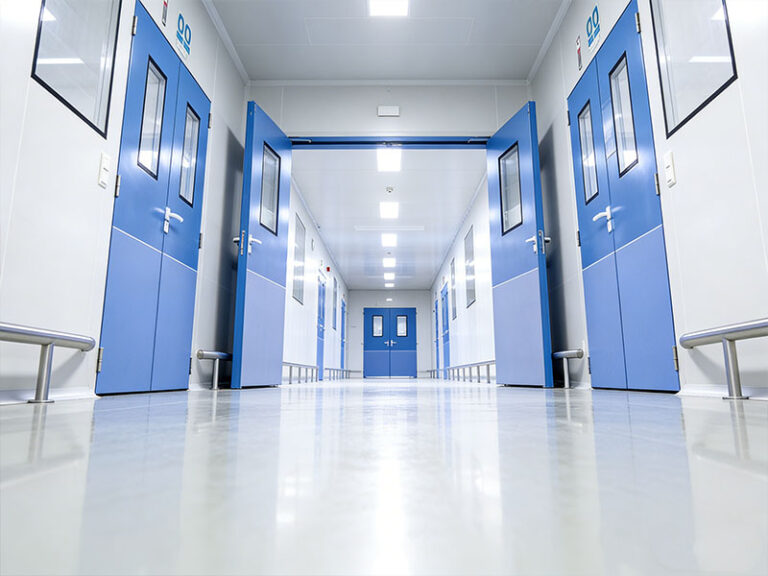
نعم، إن أرضيات البولي يوريثان ليست مناسبة فحسب، بل غالبًا ما تكون الخيار الأفضل والمحدد للمستشفيات وغرف التنظيف وغيرها من بيئات الرعاية الصحية الحرجة. يلبي مزيجها الفريد من نوعه الذي يجمع بين السطح غير المسامي غير الملحوم والمقاومة الاستثنائية للمواد الكيميائية والمتانة المتأصلة المتطلبات الصارمة للنظافة والسلامة وطول العمر. تقدم هذه المقالة دليلًا نهائيًا للخصائص التي تجعل أنظمة راتنجات البولي يوريثان مثالية لهذه الإعدادات، مدعومة بمعايير وبيانات الصناعة.
1. ما الذي يجعل نظام الأرضيات “من فئة المستشفيات”؟
يجب أن تعمل أرضيات المستشفيات وغرف التنظيف تحت مجموعة فريدة من الضغوط التي تتجاوز الاستخدام التجاري القياسي. وتتمثل المتطلبات الأساسية في مكافحة العدوى، والمتانة في ظل حركة المرور الكثيفة والتعرض للمواد الكيميائية، وسلامة العاملين.
المتطلبات الرئيسية:
- السلاسة: يزيل خطوط الجص والفواصل التي يمكن أن تتراكم فيها الأوساخ ومسببات الأمراض.
- عدم المسامية: يمنع امتصاص السوائل والتلوث الميكروبي.
- مقاومة المواد الكيميائية: يتحمل المطهرات والمذيبات ومواد التنظيف القاسية.
- المتانة: تقاوم التآكل الناتج عن حركة الأقدام والمعدات على مدار الساعة طوال أيام الأسبوع.
- السلامة: يوفر مقاومة الانزلاق، حتى عند البلل.
- قابلية التنظيف: يسمح بإزالة التلوث بسهولة وفعالية.
2. مزايا البولي يوريثين غير المسامية وغير الملحومة
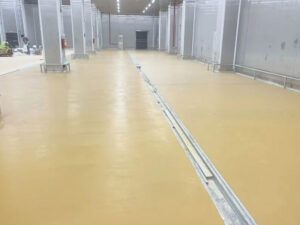
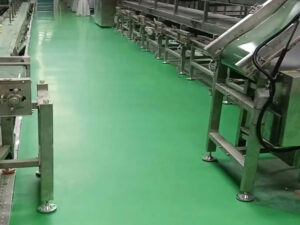
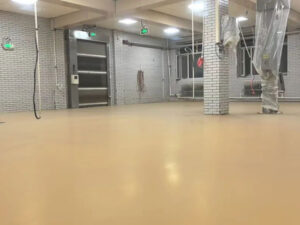
الميزة الأكثر أهمية لمكافحة العدوى هي الأرضية الخالية من الفواصل. يتم صب أنظمة البولي يوريثان وصقلها في الموقع، مما يخلق سطحًا متجانسًا وسلسًا.
- ما أهمية ذلك: تعتبر المفاصل والشقوق والمسامات أرضًا خصبة لتكاثر البكتيريا مثل المكورات العنقودية الذهبية المقاومة للميثيسيلين, VREو المطثية العسيرة. تعمل الأرضية السلسة على التخلص من هذه المستودعات، مما يدعم بشكل مباشر بروتوكولات الوقاية من العدوى ومكافحتها (IPC) على النحو الذي حددته هيئات مثل مراكز مكافحة الأمراض والوقاية منها ومنظمة الصحة العالمية.
- التنفيذ: تتضمن عملية التركيب التغطية حيث تنحني مادة الأرضية على الحائط لتشكل قاعدة كوف سلسة. ويؤدي ذلك إلى التخلص من الزاوية التي يصعب تنظيفها بزاوية 90 درجة بين الأرضية والجدار، وهي من التفاصيل المهمة في غرف العمليات والمناطق المعقمة.
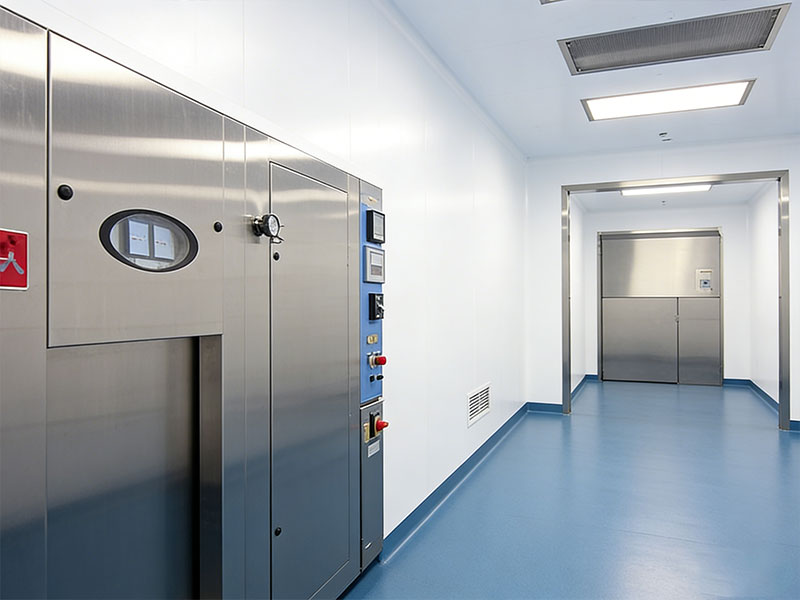
3. خصائص مضادات الميكروبات والخصائص الصحية
في حين أن الطبيعة غير الملحومة هي الدفاع الأساسي، إلا أن العديد من أرضيات البولي يوريثان مصممة بحماية مدمجة مضادة للميكروبات.
- كيف يعمل: هذه ليست طلاءات مطبقة على السطح ولكنها إضافات مدمجة مضادة للميكروبات (على سبيل المثال، تقنية أيونات الفضة) التي تمنع نمو طيف واسع من البكتيريا والفطريات داخل المادة نفسها. وهذا يوفر خط دفاع ثانوي مستمر ضد التكاثر الميكروبي.
- الأدلة: الدراسات، مثل تلك المشار إليها في مجلة عدوى المستشفيات, ، أثبتت أن الأرضيات غير الملحومة ذات الخصائص المضادة للميكروبات يمكن أن تقلل بشكل كبير من العبء الحيوي على الأسطح مقارنة بالأرضيات التقليدية.
4. متانة استثنائية ومقاومة للمواد الكيميائية
تستخدم المستشفيات والمختبرات مطهرات قوية يومياً، وتتدحرج المعدات باستمرار على الأرض. إن كيمياء البولي يوريثان مناسبة بشكل فريد لتحمل هذه الإساءة.
- بيانات المقاومة الكيميائية: تتميز راتنجات البولي يوريثان بمقاومة فائقة لمجموعة كبيرة من المواد الكيميائية، بما في ذلك العوامل المؤكسدة مثل بيروكسيد الهيدروجين وهيبوكلوريت الصوديوم (المبيض)، وهي مواد شائعة في مجال الرعاية الصحية. يوضح الجدول التالي مقاومته مقارنةً بالبديل الشائع.
مقارنة المقاومة الكيميائية: أرضيات البولي يوريثين مقابل أرضيات الإيبوكسي
| العامل الكيميائي | مقاومة البولي يوريثين | مقاومة الإيبوكسي |
|---|---|---|
| المبيض ومركبات الكلور | ممتاز | جيد إلى متوسط (يمكن أن يسبب اصفرارًا/تدهورًا) |
| بيروكسيد الهيدروجين | ممتاز | عادل |
| كحول الأيزوبروبيل | ممتاز | ممتاز |
| المطهرات الفينولية | ممتاز | جيد |
| الصدمة الحرارية (دورات ساخنة/باردة) | ممتاز - أكثر مرونة | ضعيف - يمكن أن يصبح هشًا ومتصدعًا |
- المتانة: مع قوة شد نموذجية تتجاوز 2,000 رطل لكل بوصة مربعة ومقاومة عالية للتآكل، يمكن لأرضية البولي يوريثان المركبة باحترافية أن تدوم لعقود من الزمن مع الصيانة المناسبة، حتى في المناطق التي تشهد حركة مرور عالية مثل الممرات الرئيسية للمستشفيات.
5. ميزات السلامة والأداء
بالإضافة إلى النظافة، يجب أن تكون الأرضية آمنة للأشخاص الذين يعملون عليها.
- مقاومة الانزلاق: يمكن صياغة أرضيات البولي يوريثان بأسطح مزخرفة أو بث الركام لتحقيق معدلات مقاومة عالية للانزلاق، وهو أمر بالغ الأهمية للمناطق المعرضة للانسكابات. وهذا يفي بمعايير مثل ASTM E303 لمعامل الاحتكاك الديناميكي.
- التحكم في السكون: بالنسبة للغرف النظيفة المستخدمة في تصنيع الإلكترونيات أو مختبرات المستحضرات الصيدلانية، تتوفر أنظمة البولي يوريثان الموصلة أو أنظمة البولي يوريثان الموصلة. تتحكم هذه الأرضيات بأمان في التفريغ الكهروستاتيكي (ESD)، وتحمي المعدات الحساسة وتمنع الانفجارات في البيئات التي تحتوي على مواد تخدير أو مذيبات قابلة للاشتعال. وعادةً ما تتوافق مع معايير ANSI/ESD S20.20.
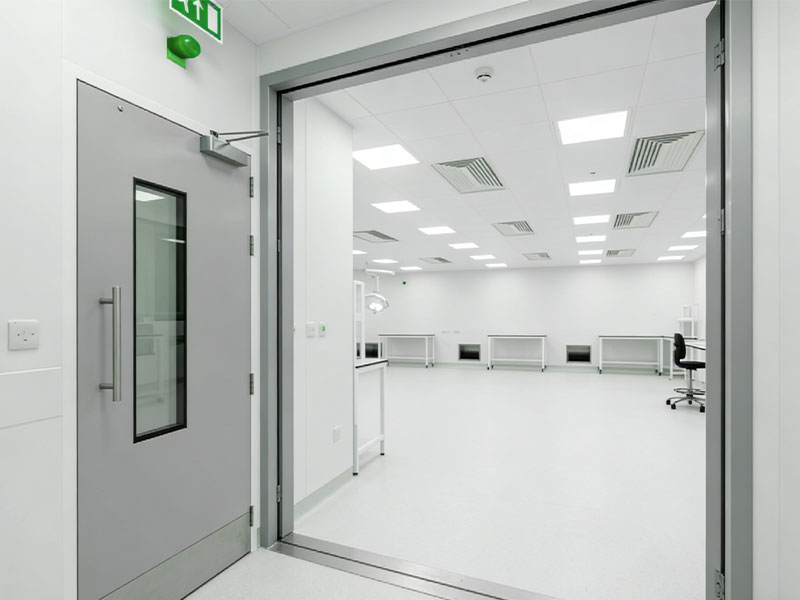
6. البولي يوريثين مقابل الإيبوكسي: أيهما أفضل للرعاية الصحية؟
هذا سؤال شائع وحاسم. في حين أن كلاهما نظامان راتينجيان، إلا أن تركيبهما الكيميائي يؤدي إلى اختلاف في الأداء.
- الحكم: بالنسبة للمناطق المعرضة للصدمات الحرارية (على سبيل المثال، من عمليات الغسيل بالماء الساخن)، أو التعرض الشديد للمواد الكيميائية، أو حيثما تكون هناك حاجة إلى مرونة فائقة لمقاومة التشققات الدقيقة في الركيزة، فإن البولي يوريثان هو الفائز النهائي.
- عامل التمايز الرئيسي: المرونة. الإيبوكسي بطبيعته بلاستيك أكثر صلابة وصلابة. أما البولي يوريثان فهو أكثر مرونة، مما يعني أنه يمكن أن ينثني مع الحركة الطبيعية للركيزة الخرسانية دون تشقق. وهذا يجعله أقل عرضة للتلف من التمدد والانكماش الحراري.
7. الامتثال للمعايير الدولية
محدد أرضيات المستشفيات أو غرف التنظيف يجب أن تفي بالمعايير الدولية الصارمة.
- معايير غرف التنظيف: تم تصميم الأنظمة المتوافقة لتلبية المواصفة القياسية ISO 14644-1 للتحكم في الجسيمات، حيث إنها لا تتخلص من الجسيمات أو الغازات المنبعثة بعد المعالجة الكاملة.
- تقييمات الحريق: يمكن أن تحقق تصنيفات انتشار الحريق من الفئة 1 وسمية منخفضة للدخان، وفقًا لمعيار ASTM E84.
- مقاومة الانزلاق: يفي بالمعايير الوطنية مثل HSE HSG52 في المملكة المتحدة و ASTM E303.
أرضيات من البولي يوريثين مناسب بشكل لا لبس فيه ويوصى به بشدة للمستشفيات وغرف التنظيف. توفر طبيعته غير المسامية وغير المسامية والمقاومة كيميائيًا أساسًا لا مثيل له للحفاظ على النظافة الصارمة وضمان المتانة على المدى الطويل وتعزيز السلامة. عند اختيار نظام أرضيات لبيئة حساسة، فإن الأداء المثبت لراتنج البولي يوريثان يجعله مادة مرجعية تلبي المتطلبات المعقدة للبنية التحتية الحديثة للرعاية الصحية والصيدلانية.
لماذا تختار طلاء KAIDA PAINT لأرضيات بيئتك الحرجة؟
في شركة KAIDA PAINT، نحن لا نوفر الأرضيات فحسب؛ بل نقوم بهندسة السلامة البيئية. على مدار أكثر من عقدين من الزمن، كنا في طليعة تكنولوجيا الراتنجات عالية الأداء، وتخصصنا في حلول لأكثر القطاعات تطلباً، بما في ذلك الرعاية الصحية والأدوية والإلكترونيات الدقيقة.
لدينا أنظمة الأرضيات المصنوعة من البولي يوريثين من الدرجة الطبية هي تتويج لهذه الخبرة. وهي مصممة خصيصًا لتتجاوز المعايير التي تمت مناقشتها في هذه المقالة، حيث تقدم:
- فعالية مثبتة لمضادات الميكروبات: تشتمل تركيباتنا الخاصة بنا على عوامل مضادة للميكروبات قوية وغير قابلة للنضح تمنع نمو البكتيريا والعفن والفطريات، مما يدعم بروتوكولات مكافحة العدوى.
- أداء ميكانيكي فائق: بفضل مقاومتها الاستثنائية للصدمات الحرارية والأحمال الثقيلة والصدمات، تحافظ أرضياتنا على سلامتها وسطحها السلس لفترة أطول بكثير من الخيارات القياسية، مما يقلل من تكاليف دورة الحياة.
- حلول ESD مصممة خصيصًا: نحن نوفر مجموعة كاملة من أرضيات التحكم الساكنة، بدءًا من الأرضيات المثبطة للكهرباء الساكنة إلى الأرضيات الموصلة للكهرباء الساكنة، مما يضمن الامتثال والحماية لمعداتك وعملياتك الإلكترونية الحساسة.
نحن ندرك أن منشأتك فريدة من نوعها. ولهذا السبب نقدم لك الدعم الفني الشامل، بدءاً من المواصفات وإعداد الركيزة وحتى التركيب بواسطة مقاولينا المعتمدين.
هل أنت مستعد لهندسة بيئة أكثر أماناً ومتانة وتوافقاً؟
اتصل بمتخصصي الأرضيات لدينا اليوم للحصول على استشارة مجانية ودعنا نقدم لك حلاً مخصصاً لمشروعك في المستشفى أو المختبر أو غرفة التنظيف.
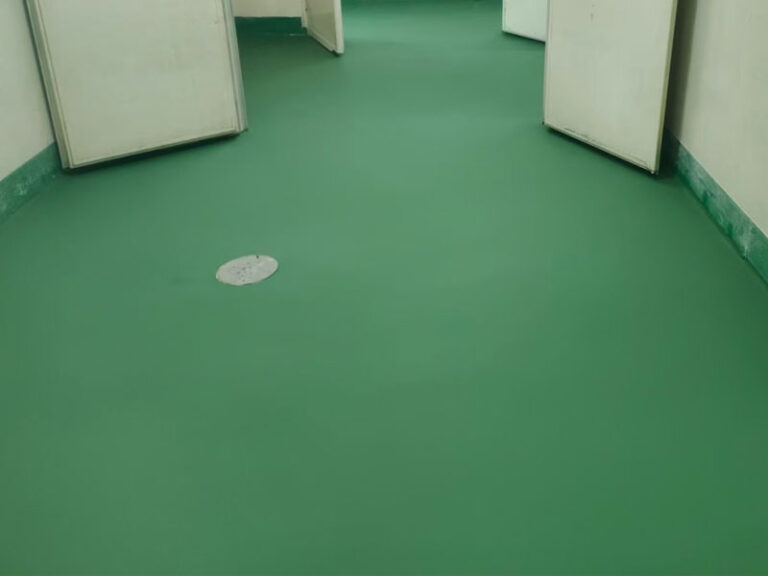
أرضيات من البولي يوريثين للأدوية: حل متين ومتوافق مع ممارسات التصنيع الجيدة للغرف النظيفة


 English
 Spanish
 Portuguese
 Arabic
 French
 Italian
 Russian
 Indonesian
 Swedish