


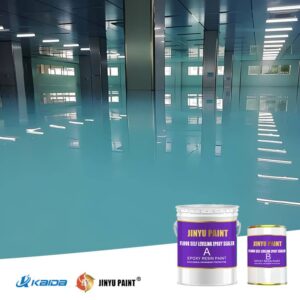


انضم إلى شركائنا من الوكلاء للحصول على طلاءات متميزة ونمو الأعمال.
KAIDA PAINT®
شركة متخصصة في تصنيع الطلاءات الصناعية ومقاول عالمي لحلول الأرضيات
عرض 6 من كل النتائج
-

برايمر الإيبوكسي التمهيدي الخالي من المذيبات E811
قراءة المزيد -
الطلاء التمهيدي للأرضيات الإيبوكسي الخالي من المذيبات E811-2 طلاء الأرضيات الإيبوكسي التمهيدي الأوسط
قراءة المزيد -
الطلاء الوسيط الخالي من المذيبات E822
قراءة المزيد -
الطلاء العلوي للأرضيات الإيبوكسي ذاتي التسوية E8300
قراءة المزيد -
الطلاء العلوي للأرضيات الإيبوكسي الخالي من المذيبات E8302
قراءة المزيد -
الطلاء العلوي الإيبوكسي الملون بالرمل الملون E8308
قراءة المزيد
اختيار المواد الخام
التركيب والمزج
اختبار الدُفعات ومراقبة الجودة
التصنيع والتغليف
مطابقة الألوان والموافقة على العينات
الامتثال لمعايير المركبات العضوية المتطايرة (VOC) والأنظمة منخفضة الانبعاثات من المركبات العضوية المتطايرة (VOC)
الدعم الفني والتركيب في الموقع
تغليف الصادرات والتسليم إلى جميع أنحاء العالم
اختيار المواد الخام
يتم الحصول على راتنجات الإيبوكسي وعوامل المعالجة والأصباغ والمواد المالئة والمذيبات من موردين كيميائيين دوليين ذوي سمعة طيبة. وتخضع كل دفعة واردة للفحص ولا يُسمح بإدخالها إلى خط الإنتاج إلا بعد اجتيازها لفحص المواد الواردة في المصنع. ويتم حفظ سجل كل دفعة بحيث يمكن تتبع المنتج النهائي وصولاً إلى المواد التي صُنع منها.
التركيب والمزج
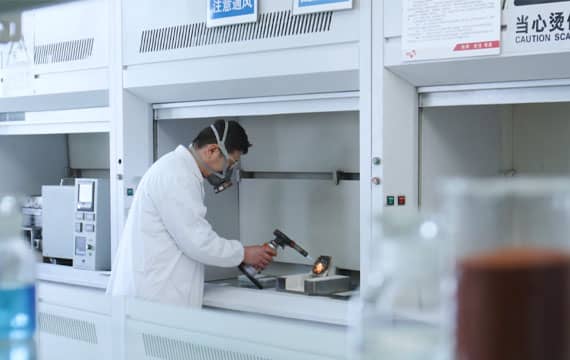
يتم تطوير التركيبات وتعديلها في مختبر المصنع. يتم خلط كل دفعة إنتاج وفقًا لتركيبة مسجلة بنسب وتسلسل خلط محددين، ويتم فحص الدفعة للتأكد من اللزوجة ووقت التجلط قبل السماح بتعبئتها. يتم ضبط التركيبات وفقًا لأهداف أداء محددة – مثل الالتصاق، والمقاومة الكيميائية، ومقاومة التآكل، أو محتوى المركبات العضوية المتطايرة (VOC) – بدلاً من مواءمتها لمواصفة عامة واحدة.

اختبار الدُفعات ومراقبة الجودة
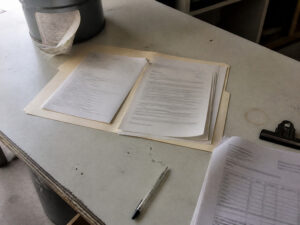
يتم اختبار كل دفعة قبل التعبئة. ويشمل الاختبار الخصائص التي تحدد أداء الطلاء في موقع العمل — مثل الالتصاق، ومقاومة التآكل، والصلابة، ودرجة اللمعان، ومحتوى المواد الصلبة — مقارنةً بورقة البيانات الفنية للمنتج. وتصدر تقارير الاختبار لكل دفعة على حدة، ويمكن توفيرها مع الشحنة.
التصنيع والتغليف
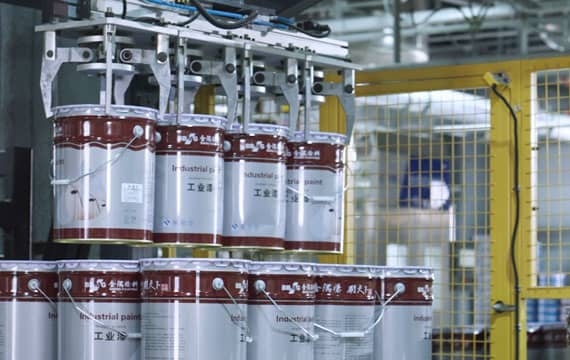
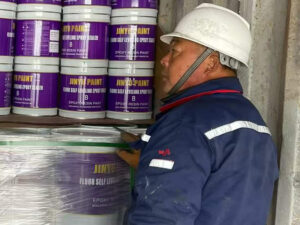
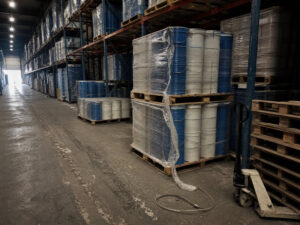
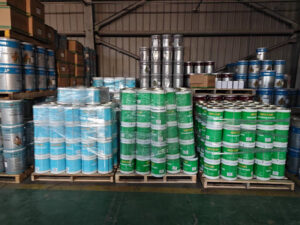
تتم عمليات الإنتاج على خطوط الطلاء بالمصنع، حيث يتم خلط مواد الطلاء في دفعات كبيرة وتعبئتها في دلاء أو براميل. يتم وضع ملصق على كل حاوية يتضمن رمز المنتج ورقم الدفعة وتاريخ الإنتاج، كما يحمل الملصق العلامة التجارية KAIDA PAINT®، بحيث يمكن دائمًا ربط الحاوية المُسلَّمة بسجل الدفعة الخاصة بها.
مطابقة الألوان والموافقة على العينات
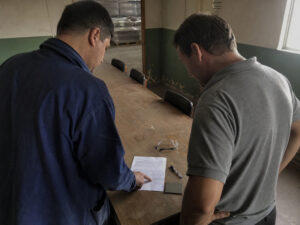
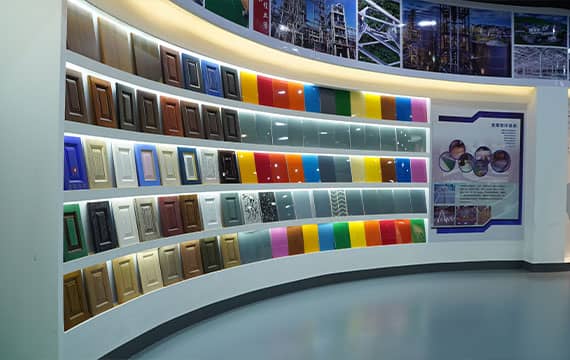
تتم مطابقة الألوان داخليًّا وفقًا لمجموعة الألوان القياسية الخاصة بالمصنع. وعندما يتطلب المشروع لونًا معينًا، يتم إعداد عينة لونية وتقديمها إلى العميل للحصول على موافقته الخطية قبل بدء الإنتاج، بحيث تتطابق المواد المُسلَّمة مع ما تمت الموافقة عليه.
الامتثال لمعايير المركبات العضوية المتطايرة (VOC) والأنظمة منخفضة الانبعاثات من المركبات العضوية المتطايرة (VOC)
تمت صياغة الأنظمة القائمة على الماء والخالية من المذيبات بحيث تتوافق مع حدود المركبات العضوية المتطايرة (VOC) السارية في سوق الوجهة. ويُذكر محتوى المركبات العضوية المتطايرة (VOC) لكل منتج بوحدة غرام/لتر في ورقة البيانات الفنية الخاصة به، مما يتيح للمصمم التحقق من الامتثال للوائح السارية على مشروعه الخاص بدلاً من الاعتماد على ادعاء عام.

الدعم الفني والتركيب في الموقع
يشمل الدعم الفني اختيار النظام، وتقييم الركيزة، وتقديم إرشادات حول التطبيق، وتشخيص الأعطال – قبل التسليم وأثناءه وبعده. وعندما يتطلب المشروع ذلك، يتولى المُركِّبون عملية التطبيق، ويظل الفريق الذي قدم المشورة بشأن المواصفات مشاركًا خلال عملية التطبيق.
تغليف الصادرات والتسليم إلى جميع أنحاء العالم
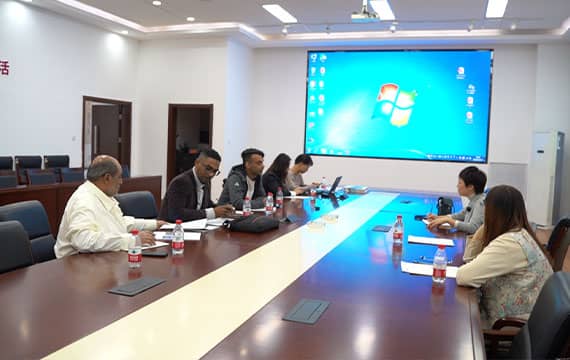
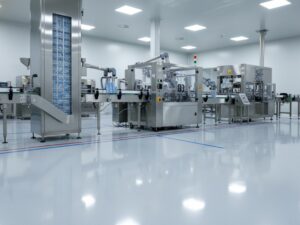
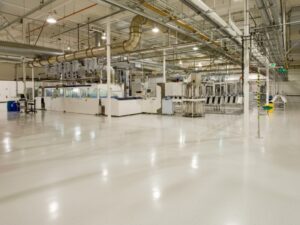
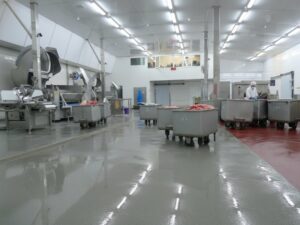
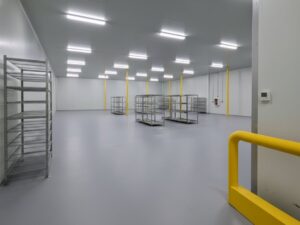
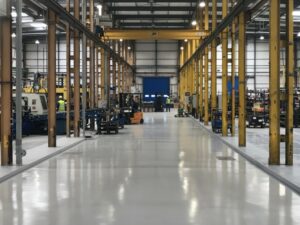
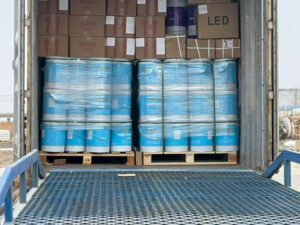
يتم تغليف الطلبات المخصصة للتصدير مع المستندات التي يحتاجها المشروع – ورقة البيانات الفنية، وورقة بيانات السلامة، وتقرير اختبار الدفعة. ويتم تكييف التغليف ووضع الملصقات وفقًا لمتطلبات سوق الوجهة. ومن بين المشاريع الأخيرة التي تم شحنها من المصنع أرضية لمصنع أغذية بمساحة 10,000 متر مربع في فنزويلا، ومشروع أرضيات صناعية في السويد، وتجديد مصنع للبطاريات في المجر.


توفر شركة «كايدا» طلاءات الأرضيات الإيبوكسية والطلاءات الصناعية للمشاريع الصناعية والتجارية. «كايدا باينت®» هي العلامة التجارية التصديرية لشركة تيانجين كايدا تك المحدودة؛ ويتم تصنيع الطلاءات من قبل شركة «جينيو» في الصين.
© 2023 KAIDA PAINT. جميع الحقوق محفوظة -
تصميم: KAIDA
We've detected you might be speaking a different language. Do you want to change to:
 English English
 Spanish
 Portuguese
 Arabic
 French
 Italian
 Russian
 Indonesian
 Swedish