Tillverkare av industriella beläggningar och leverantör av globala golvlösningar
Project Story
KAIDA Paint delivered a durable and hygienic polyurethane mortar flooring solution for a fish food processing plant in Rwanda. Covering 1,000 m², the flooring system was designed to withstand moisture, frequent cleaning, thermal shock, and heavy-duty production conditions, helping create a safer and more reliable environment for food processing operations.
The existing production area required a flooring system that could handle wet processing conditions, frequent cleaning, and daily operational wear. For a fish food processing plant in Rwanda, the client needed a seamless, durable, and easy-to-clean floor that could improve hygiene control, reduce slip risks, resist moisture and chemicals, and support stable production in a food-grade environment.

Fish food processing areas are often exposed to water, steam, cleaning liquids, and organic residues. The floor system needed to prevent water penetration, reduce surface deterioration, and maintain reliable performance in continuously damp working conditions.

The client required a seamless flooring surface that would not trap dirt, bacteria, or processing residues. The floor needed to support frequent washing, sanitation procedures, and easier daily maintenance for food processing operations.

The production floor had to withstand cleaning chemicals, equipment movement, pallet traffic, and daily processing loads. The flooring system needed strong adhesion, impact resistance, and long-term durability while maintaining a safe, anti-slip surface.
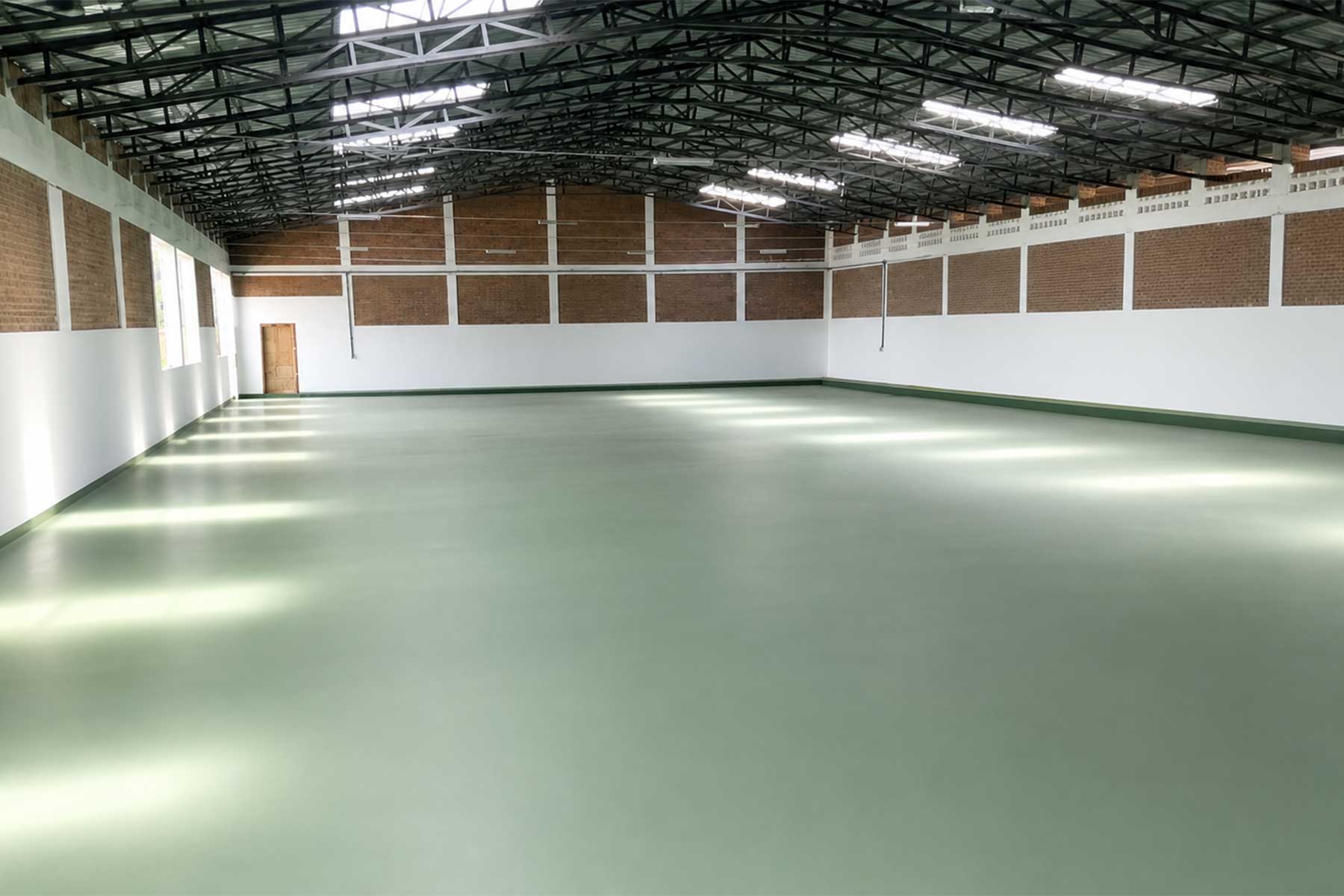
For the Rwanda fish food processing plant project, KAIDA Paint supplied a high-performance polyurethane mortar flooring solution covering 1,000 m². The system was designed to meet the demanding requirements of wet food processing areas, providing excellent moisture resistance, anti-slip safety, thermal shock resistance, and long-term durability under frequent cleaning and daily production traffic.
Our technical team supported the project from material selection and flooring system design to application guidance, on-site coordination, and final quality inspection, helping ensure a seamless, hygienic, and durable finish across the production area.
To solve the challenges of wet processing conditions and possible water exposure, the floor was prepared and treated to create a strong bonding foundation for the polyurethane mortar system. This helped reduce water penetration, improve substrate strength, and provide reliable protection for long-term production use.
The polyurethane mortar flooring system created a seamless, dense, and easy-to-clean surface suitable for fish food processing environments. It helped prevent dirt accumulation, supported frequent washing and sanitation, and improved hygiene control across the production area.
KAIDA Paint provided a complete material and technical support package for the Rwanda project, including system recommendation, product supply, application instructions, and construction guidance. This integrated delivery model helped the contractor complete the flooring work efficiently while maintaining reliable coating quality and food industry performance requirements.
Step 01
The existing concrete floor was inspected to identify cracks, weak areas, moisture conditions, surface contamination, and drainage requirements. This helped define the correct preparation method and polyurethane mortar flooring system for the fish food processing area.
Step 02
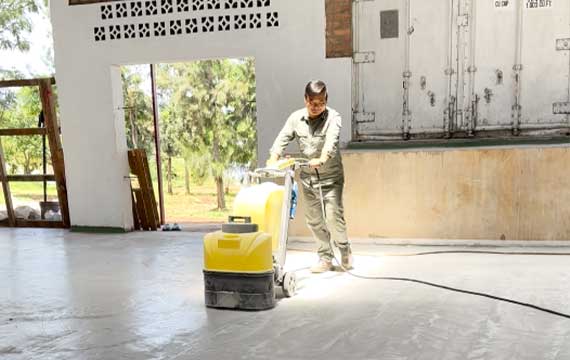
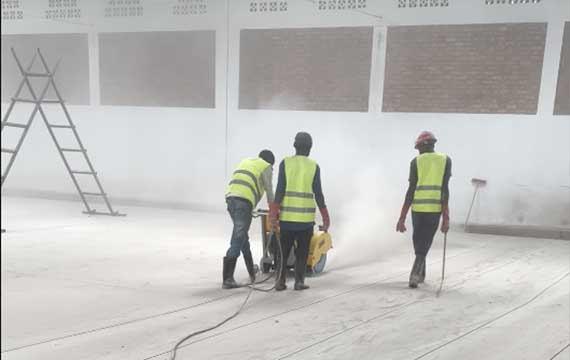
The old surface layer was mechanically ground to remove laitance, loose particles, oil stains, and weak concrete. Dust and debris were then thoroughly cleaned to create a sound, open-textured substrate for strong bonding.
Step 03
Cracks, holes, and damaged areas were repaired with suitable repair materials. Uneven sections were leveled to improve surface flatness and provide a stable base for the polyurethane mortar system.
Step 04
A compatible primer was applied to seal the concrete, strengthen the substrate, and improve adhesion between the existing floor and the new polyurethane mortar flooring system.
Step 05
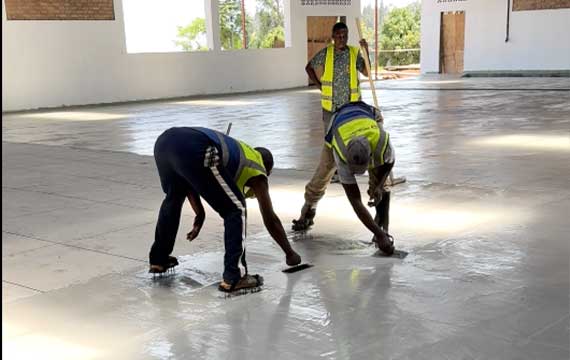
The polyurethane mortar layer was installed to build system thickness, enhance impact resistance, resist moisture and thermal shock, and provide durable protection for wet food processing operations.
Step 06
An anti-slip finish was applied to improve walking safety in wet production areas. After curing, the floor was inspected for surface quality, seamless finish, adhesion, cleanliness, and overall performance before handover.
The Rwanda fish food processing plant project was completed with a 1,000 m² polyurethane mortar flooring system designed for wet food production environments. The new floor improved hygiene control, moisture resistance, anti-slip safety, and long-term durability, helping the facility maintain cleaner and more reliable daily operations.


The seamless polyurethane mortar floor reduced joints and weak surface areas where dirt, water, and processing residues could accumulate. This created a cleaner production environment and supported easier washing, sanitation, and daily maintenance.
The flooring system provided strong protection against water exposure, cleaning chemicals, equipment movement, and daily production traffic. Its durable structure helped extend the service life of the floor in demanding food processing conditions.
The anti-slip surface improved walking safety in wet working areas, while the strong polyurethane mortar system helped maintain stable floor performance under continuous production use. This supported safer operations and reduced maintenance concerns for the plant.
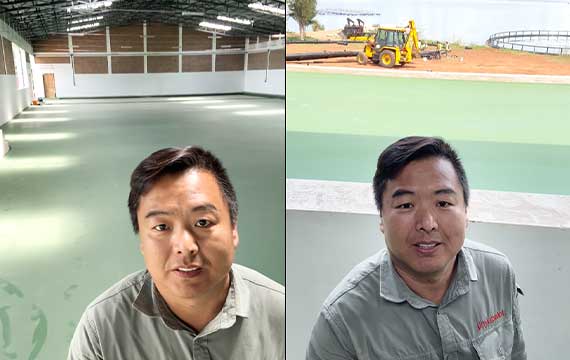
“The new polyurethane mortar floor has made our production area cleaner, safer, and easier to maintain. KAIDA Paint provided reliable technical support and helped us complete the flooring work smoothly for our fish food processing facility.”
The project used a polyurethane mortar flooring system covering 1,000 m². This system was selected to provide hygiene, moisture resistance, anti-slip safety, thermal shock resistance, and long-term durability for wet food processing areas.
Polyurethane mortar flooring is suitable for food processing environments because it provides a seamless, dense, and easy-to-clean surface. It can resist water exposure, frequent washing, cleaning chemicals, and daily production traffic.
The seamless floor surface helps reduce joints, cracks, and weak areas where dirt, water, and processing residues may accumulate. This makes the production area easier to clean and helps support sanitation requirements.
Yes. Polyurethane mortar flooring is designed for moisture-prone environments and can withstand water exposure, steam, frequent cleaning, and damp production conditions commonly found in fish food processing areas.
Yes. An anti-slip finish can be applied according to the working environment, helping improve walking safety in wet production areas and reducing slip risks during daily operations.
Yes. The system provides good resistance to common cleaning chemicals, sanitation agents, organic residues, and production-related exposure, helping protect the concrete substrate and extend floor service life.
Yes. Polyurethane mortar flooring offers strong impact resistance, abrasion resistance, and load-bearing performance, making it suitable for equipment movement, pallet traffic, and continuous production use.
No. The seamless and durable surface is designed for easier cleaning and routine maintenance. Regular washing and proper cleaning procedures can help keep the floor hygienic and performing reliably over time.

6,800 m² of ResuShield Screed M46 epoxy mortar system installed across high-traffic storage and forklift operation zones.
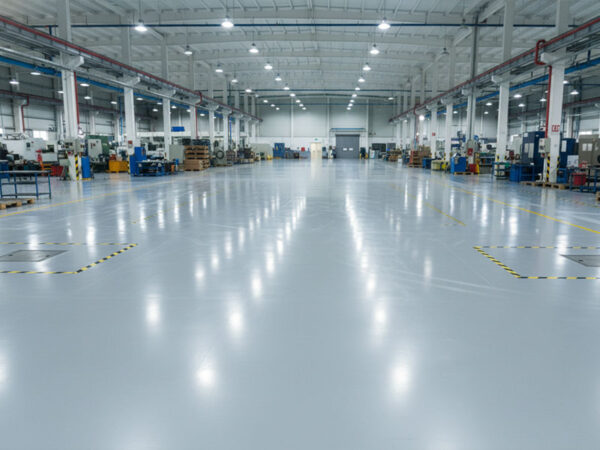
4,500 m² of ResuShield XT water‑based epoxy topcoat applied over existing concrete floors in a food processing facility.
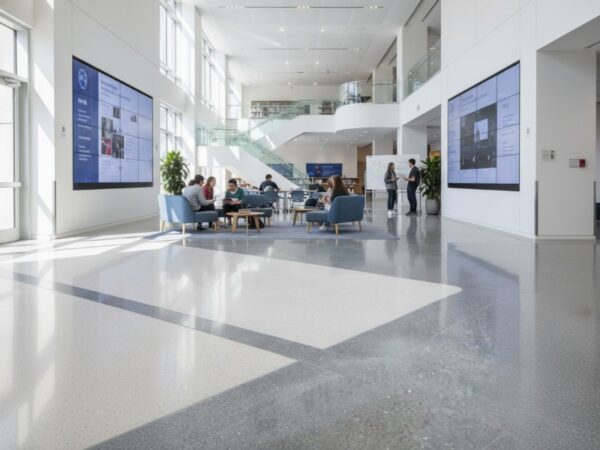
5,800 m² of ResuShield Terrazzo TG decorative epoxy terrazzo flooring installed at a museum expansion project
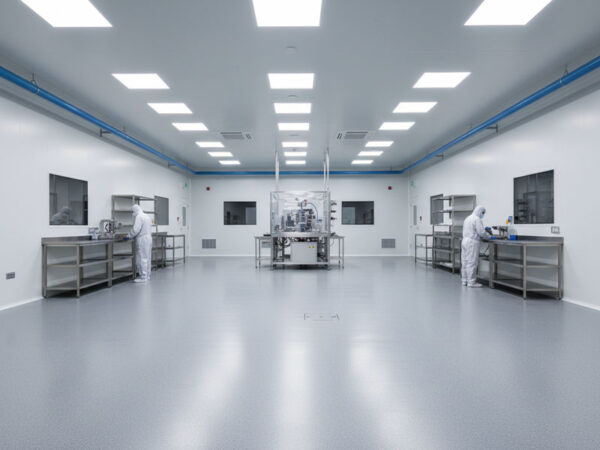
3,200 m² of PolyPro XT Topcoat TX water‑based epoxy coating applied over existing concrete floors at a pharmaceutical R&D facility in Switzerland.

1,850 m² of PolyPro Aqua TopFloor water‑based resin coating applied over newly poured concrete at a multi‑story residential parking garage in France.
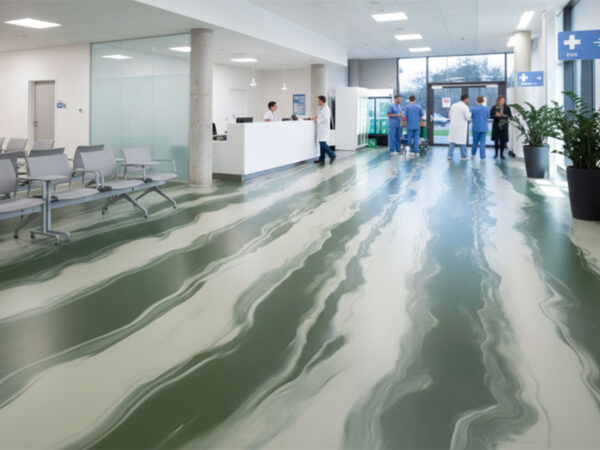
4,600 m² of FlexTop SL System ergonomic acoustic elastomeric flooring installed throughout patient wards and corridors at a general hospital in Sweden.
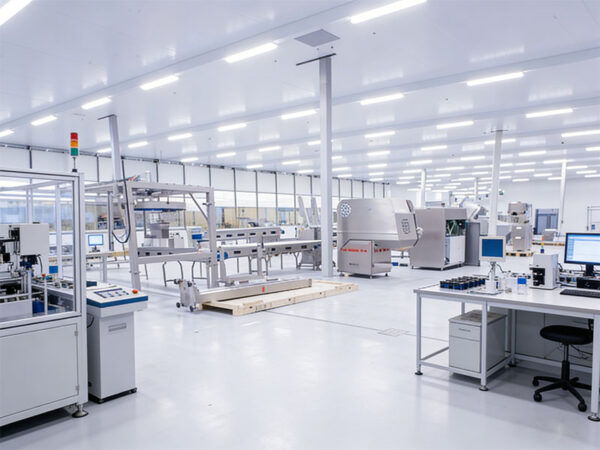
7,200 m² of TerraFlex AC cementitious urethane flooring system installed across production and processing areas at an automotive parts manufacturing plant in Spain.
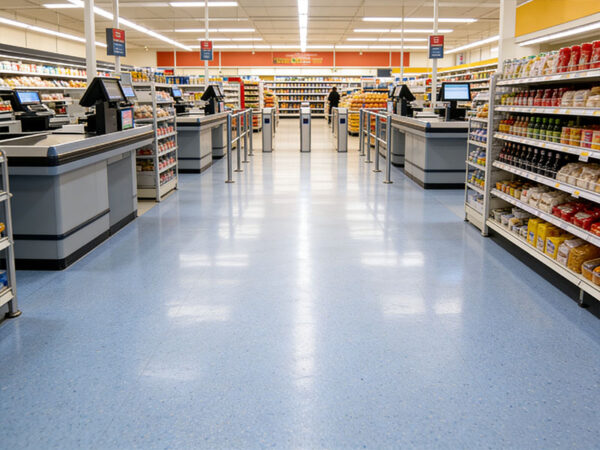
3,800 m² of TerraFlex™ AQ seamless quartz flooring system installed across checkout areas, aisles, and entryways at a hypermarket in the Netherlands.
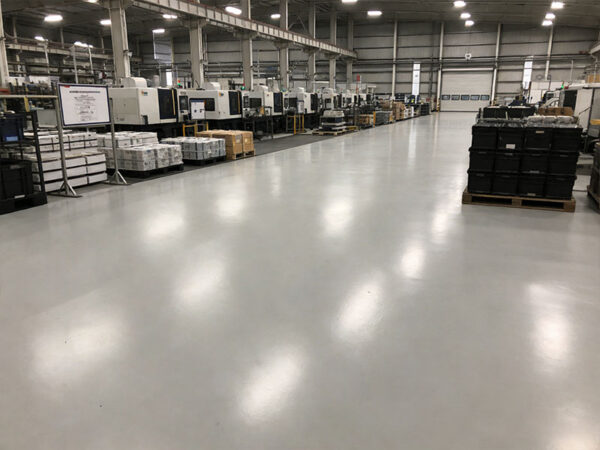
8,100 m² of Ure‑Crete MD cementitious urethane flooring system installed across production floors and processing zones at a chemical manufacturing facility in Belgium.
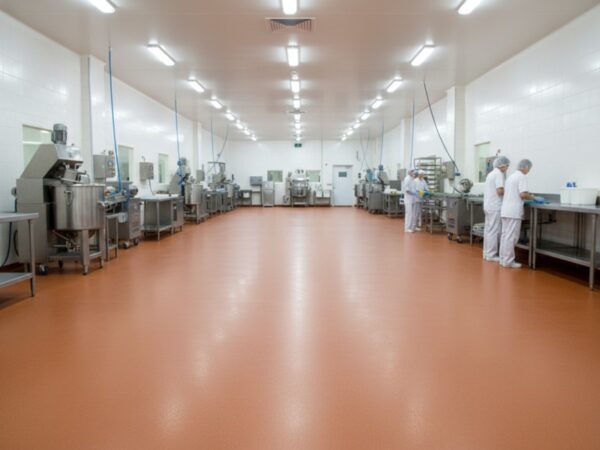
5,400 m² of CrylaForté Shield MMA resin floor coating applied over renovated concrete substrates at a dairy processing facility in the United Kingdom.
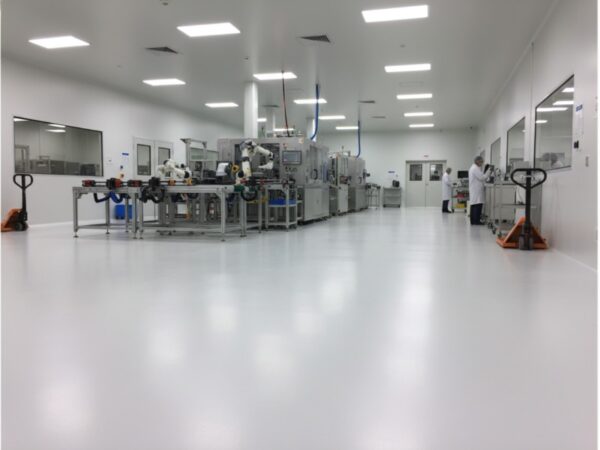
6,700 m² of CrylaForté Gard SL industrial MMA self‑leveling flooring system installed across production and storage areas at a cold storage logistics facility in the Netherlands.
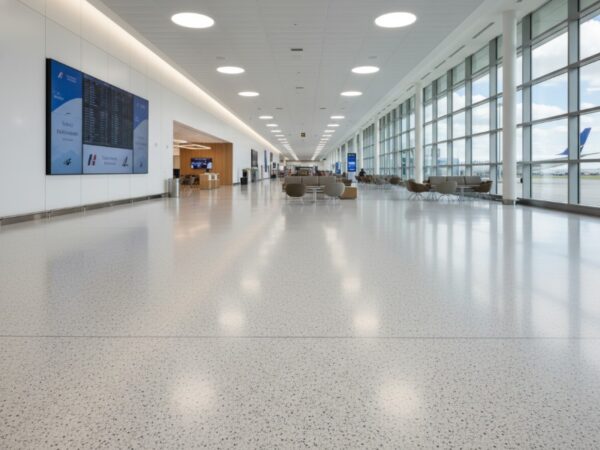
9,200 m² of CrylaForté Deco Flake SL decorative MMA vinyl paint chip flooring system installed across departure halls, concourses, and retail areas at an international airport in France.
Send your industry, country, floor area, current substrate condition, and expected handover date. KAIDA Paint will recommend a system and construction route for your site.
Kontaktpersoner: Sabella Wei
Telefon: 86-022-83859963
Whatsapp: 15822925523