
The clause that decides who pays.
A flooring warranty on a polyurethane floor coating is a document about who pays for a repair, not a promise that the floor will not fail. The useful ones are specific about the period, the exclusions and the remedy.
Four things decide whether it is worth anything: the start date, the exclusion list, the wear threshold and the remedy.
This article sets out what a real guarantee terms document contains, why some warranty exclusions are legitimate, how a wear allowance defines the end of service life, and what a remedy clause has to say to be usable.
What a warranty is for, and what it is not
A warranty allocates risk. It says that if the floor fails within a period for a reason within the supplier’s control, the supplier repairs or replaces it, and it says what happens if the cause is outside that control.
It is not a service life guarantee. No supplier can promise that a floor will last fifteen years in a building whose cleaning chemistry nobody recorded.
The difference matters at the point of a claim. A polyurethane floor coating warranty that guarantees performance is usually written by someone who has never had one tested.
The useful question when comparing two offers is not how many years, but what has to be true for the years to apply.
Period, and what starts the clock
Most guarantee terms run from practical completion rather than from invoice. Where a project is phased, that means the clock starts at different times in different rooms, and the document should say so.
The period runs from five years on a thin coating to ten on a mortar, and the duty moves it between the two. A five-year warranty on a heavy-traffic mortar is normal; a fifteen-year one on a 1 mm coating is a marketing statement.
Where a supplier offers a long period, ask what has to be true for it to apply. Ten years with an inspection condition nobody meets is shorter in practice than five years with a condition a plant can actually keep.
Watch for a warranty that runs from manufacture. It is a way of shortening the cover by however long the material sat in a warehouse, and it is not what a buyer expects when they read a date.
The same caution applies to a period expressed in months. Ninety days sounds precise and is usually the time allowed to notify a visible defect, not the length of the cover, and the two are easily confused in a summary.
Read the definitions, not the headings. A document that defines completion, defect, repair and replacement can be short and precise at the same time, and the four definitions carry most of the meaning in the whole text.
Where a project has a defects liability period under a construction contract, make the two documents agree, and check that the warranty clause in the specification uses the same definitions of completion and defect. A one-year liability period sitting behind a ten-year polyurethane floor coating warranty is a gap that will be discovered on a claim.
What legitimate exclusions look like
Warranty exclusions are not a sign of bad faith. A supplier cannot warrant against damage by others, chemical attack outside the declared list, or movement in a substrate they did not build.
The test is whether the exclusion is specific. Damage by others is fair; poor performance in conditions not disclosed at specification stage is fair only if the disclosure was actually requested.
Ask for the cleaning chemistry to be declared in writing at specification stage. Where a guarantee terms document excludes chemical attack, and the plant changes detergent two years later, that exclusion will decide the claim.
The reverse is also worth stating. Where the declared list includes the actual chemistry, an exclusion for chemical attack becomes largely irrelevant, which is a better outcome for the client than a longer period.
That is the practical conclusion of this article. The value of a warranty lies in its definitions and its exclusions rather than in the number of years on the front page. A client who reads the four questions set out at the end of this article will reach a better decision than one who compares periods.
Table 1: Standard exclusions, and how to tell a fair one from a broad one.
| Exclusion | Fair version | Broad version |
|---|---|---|
| Damage by others | Impact, cutting, dragged loads | Any mechanical damage |
| Chemical attack | Outside the declared medium list | Any chemical contact |
| Субстрат | Movement or moisture outside tested limits | Any substrate defect |
| Очистка | Agents other than those declared | Any cleaning method |
| Wear | Beyond the stated allowance | Any visible wear |
Defining worn out in a number
A wear allowance states how much loss of thickness or appearance is normal before a claim is considered. Without it, every scuff is a potential claim and no claim is ever settled.
The usual form is a percentage of film thickness in a defined traffic area, measured by core sample, or a described condition such as wear through to the substrate in a stated proportion of the area.
The allowance should differ by zone. A polyurethane floor coating in a main aisle will lose surface faster than one in a dry store, and a single number across a building produces arguments rather than clarity.
Measure it the same way every time. A wear claim assessed by eye in one room and by core sample in another will not be resolved by the document, however carefully the allowance is written.
Photograph the floor at handover, in every zone, with the date visible. A set of handover images is the cheapest evidence a client can hold, and it converts a wear argument into a comparison of two photographs. Keep them with the trial area that fixes the baseline.
Write the allowance at three levels: the nominal film thickness per zone, the loss that counts as normal wear, and the method that measures the loss. A 3 mm build with a 1 mm allowance and a core-sample method gives an inspector something to measure. The same build with a written allowance and no method gives two people a difference of opinion. Where a core cannot be taken, state the visual criterion instead, such as wear through the seal in a stated proportion of the traffic lane. Check it against the warranty exclusions, because an allowance sitting beside a blanket exclusion is decoration.
Keep the file with the cleaning schedule rather than in a project folder. When a claim is made three years later, the two documents that matter are the handover images and the list of agents used, and both are usually in different departments.
Bringing them together before a claim is raised is a ten-minute task that changes the conversation entirely. It is the difference between a claim settled in a month and one that outlasts the floor it was written about. That is not an exaggeration; it is the usual outcome when neither side holds a record.
Where a client wants a stronger position, negotiate the allowance down rather than the period up. A shorter period with a tight allowance is easier to claim on than a long period that excludes wear entirely.
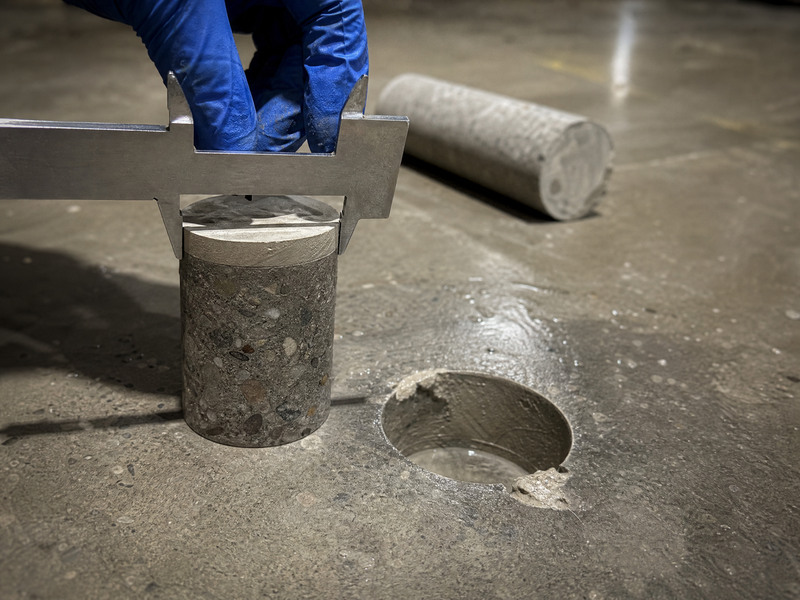
Figure 1: a wear claim is a measurement, not an impression.
Inspection condition: what the client must do
An inspection condition is the obligation that keeps a warranty meaningful. Typically it requires an annual inspection, cleaning with the declared agents, and prompt repair of minor damage before it becomes major.
The condition should be easy to evidence. A dated inspection sheet with photographs is enough; a requirement to commission a specialist survey every year is a condition nobody will meet.
A dated sheet with five fields is enough to keep the condition alive: zone, date, photograph, defect type and action taken. If the sheet cannot be produced at a claim, the supplier is entitled to assume the condition was not met, which is why the clause should say so rather than leave it implied. File it with the warranty exclusions list and the handover photographs, and note that a current record also decides whether transferability survives a sale and whether a latent defect claim can be assessed at all.
Where a plant has a maintenance contractor, name the inspection in that contract. A warranty that depends on a task nobody owns is a warranty that will be void when it is needed.
The condition also protects the supplier. A floor inspected annually is a floor whose small failures are caught early, and early repairs are cheaper for everyone.
Write the inspection condition as three dated tasks rather than a principle. Inspect annually, clean with the declared agents, repair any breach of the coating within thirty days. A client can schedule three tasks; nobody can schedule a principle.
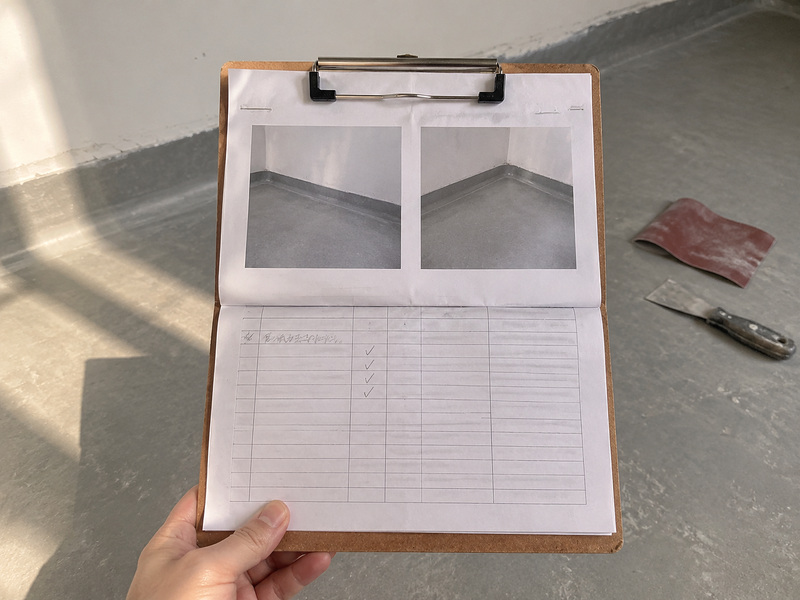
Figure 2: the inspection record is what keeps a warranty alive.
Transferability on sale or lease
Transferability decides whether a warranty survives a change of owner. Where a building is sold or leased, a warranty that cannot move with it is worth much less to the buyer, and the buyer knows it.
That is why transferability belongs in the offer rather than in the small print, and why distributor support for warranty claims should be named in the same paragraph. A building sold with a transferable warranty is easier to lease, and the polyurethane floor coating inside it is easier to justify in a valuation.
The usual arrangement allows transfer once per sale, on written notice, provided the inspection record is current. That is reasonable for both sides and easy to administer.
Where transfer is refused, expect a discount at sale. A polyurethane floor coating with a non-transferable warranty is a liability for a purchaser who inherits a floor they did not specify.
Latent defect and the line between a fault and wear
A latent defect is a fault present at installation but not visible then: an unbonded patch, a thin area under a cove, a primer that did not cure. It usually appears in the first two years and follows a pattern rather than a traffic route.
Wear follows traffic. A defect follows a detail. That distinction is the fastest way to tell them apart on site, and it is the first question a supplier will ask.
The warranty should define how a latent defect is demonstrated. Destructive investigation on one square metre, agreed in advance, is usually enough, and it is far cheaper than arguing from photographs.
Where a plant has no inspection records, the supplier cannot verify the condition, and the claim is assessed without the benefit of that history. That is a weak position for a client, and it is the practical reason the condition exists.
Where the investigation shows a defect, the supplier pays for it and for the repair. Where it shows wear, the client does, and the wear allowance in the document decides how much wear counts.
The remedy that makes a warranty usable
A remedy clause should say what happens when a claim is accepted: repair, replacement of the affected area, or a credit against replacement. Each has a place, and the choice should not be left to the supplier’s convenience.
A remedy clause that names a credit as an option protects both sides when a floor is nine years into a ten-year life. Replacing a whole area for a local fault is not a reasonable expectation, and most clients accept that once it is written down.
Where the parties cannot agree on the remedy, the credit route is usually the fastest. It lets the client choose when to replace and lets the supplier close the claim without mobilising a crew for a small area.
Repair is the normal answer for a local defect. Replacement of an area is the answer when the defect is systemic. A credit is the answer when the floor has reached a reasonable proportion of its service life.
State the response time as well. A warranty that obliges a repair but not a date allows a floor to remain in a failed state for a season while a plant loses a hygiene score.
Four dates make a remedy clause administrable: notification within seven days of discovery, inspection within thirty days of notification, remedial work within thirty days of acceptance, and an independent test within thirty days where the cause is disputed. Without the four, a warranty obliges a repair but allows the floor to stay failed for a season. Say who pays for the independent test as well: the party that loses pays, and the remedy clause should name how the laboratory is chosen rather than naming a laboratory.
Table 2: Four dates that make a claim administrable.
| Node | Days | Who acts | If it slips |
|---|---|---|---|
| Notification | 7 from discovery | Client | Cause becomes harder to establish |
| Inspection | 30 from notification | Supplier | Repair start delayed by a month |
| Remedial work | 30 from acceptance | Supplier | Floor stays failed through a season |
| Independent test | 30 from dispute | Agreed laboratory | Claim becomes correspondence |
Table 3: Remedy by claim type.
| Claim | Usual remedy | Timeframe |
|---|---|---|
| Local defect under 5 m2 | Cut out and reinstall | Within 30 days |
| Systemic defect in one zone | Zone replacement | Next shutdown window |
| Wear beyond allowance | Credit against replacement | Within 60 days |
| Cosmetic colour change | Topcoat refresh | Within 90 days |
Where a claim is disputed, name the mechanism: an independent test by an agreed laboratory, with the cost carried by the losing party. That single clause removes most of the incentive to argue indefinitely.
The same clause should set a deadline for the investigation. Thirty days from notification is workable, and it prevents a claim from becoming a permanent correspondence that neither party can close.
Reading an offer in ten minutes
Four questions settle most guarantee terms: when does the period start, what is excluded, what counts as worn out, and what happens if a claim is accepted.
Ask for those four in writing before comparing prices. A flooring warranty that answers all four is usually offered by a supplier who has paid a claim before, and that experience is worth more than an extra year.
Ask as well what the supplier will not warrant. A company that can name its limits is easier to work with than one that covers everything in principle and argues in practice, and the answer is usually visible in the first meeting.
Table 4: Four questions, and the answer that should worry you.
| Вопрос | Good answer | Warning |
|---|---|---|
| Start date | Practical completion, per zone | Date of manufacture |
| Exclusions | Specific and listed | Any wear or any damage |
| Wear | Percentage with a test method | Not mentioned |
| Remedy | Repair, replace or credit | At supplier discretion |
One further question is worth asking of any polyurethane floor coating supplier: how many claims were paid last year. A supplier who answers is describing a process; one who does not is describing an intention.
Часто задаваемые вопросы
How long should a polyurethane floor warranty be?
Five to ten years depending on the system and duty, measured from practical completion. Compare the conditions attached rather than the number: a ten-year period that excludes thermal shock is shorter in practice than a five-year period that covers it.
What should a flooring warranty exclude?
The exclusions are the four events in Table 1; anything outside them is not covered. A blanket exclusion for any wear is the one to challenge first.
What is a wear allowance?
It is a measured loss, not an impression. The clause should name the method, the traffic area and the original build it is compared against.
Does the client have obligations under the warranty?
Three duties: an annual inspection, cleaning with the products the datasheet names, and prompt repair of minor damage. The client holds the evidence and the supplier assesses it.
Can a warranty be transferred to a new owner?
Once per sale is typical, on written notice, with the inspection record handed over. A purchaser who cannot see that record is buying an unverified floor.
How do I tell a latent defect from wear?
Look at the pattern. A defect tracks a detail such as a cove or a drain, wear tracks the traffic lanes, and the photographs taken before any repair decide which one it is.
What remedy should a warranty offer?
Repair for a local defect, zone replacement for a systemic one, and a credit where the floor has served a reasonable proportion of its life. Fix the remedy by claim type in advance, so a polyurethane floor coating warranty argues about the cause rather than the cure.
Why Kaida Paint puts its warranty terms in writing
Our polyurethane floor coating warranty is four questions answered on one page: when the period starts, what is excluded, what counts as worn out, and what happens when a claim is accepted. The start date is practical completion per zone, the wear allowance is a measured thickness rather than an impression, and the remedy names repair, replacement or credit by claim type. We also tell a client when a claim will not succeed, before it is made, because a flooring warranty argued for ten months is worse than one explained in ten minutes.







 English
 Spanish
 Portuguese
 Arabic
 French
 Italian
 Russian
 Indonesian
 Swedish